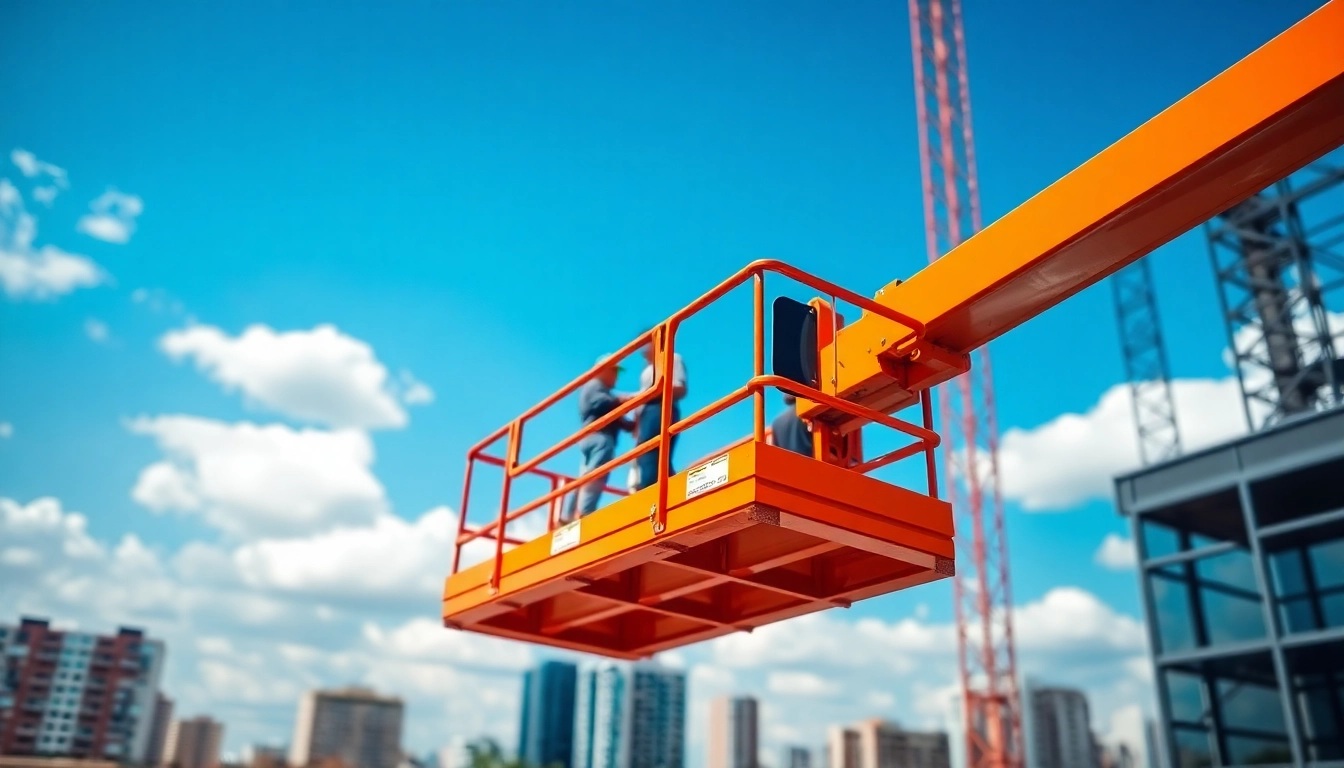
Understanding Cherry Picker
What is a Cherry Picker?
A cherry picker, formally known as an aerial work platform, is a versatile mechanical device designed to provide temporary access to heights for workers and equipment. It features a platform or bucket at the end of a hydraulic arm, which allows users to reach elevated areas safely and efficiently. Cherry pickers come in various configurations, making them suitable for numerous applications such as maintenance, construction, tree trimming, and more. Consider using a cherry picker for your next project to ensure safety and efficiency when working at heights.
How Cherry Picker Works
Cherry pickers typically operate using hydraulic systems to raise and lower the platform. The operator can control the elevation and direction of the arm through a joystick or control panel, allowing precise positioning. Most models also come equipped with safety features such as guardrails, emergency stop buttons, and stabilizing outriggers to prevent tipping during operation.
Common Uses for Cherry Picker
The applications of cherry pickers are extensive, spanning various industries and tasks. Common uses include:
- Construction and Maintenance: Used for accessing roofs, light fixtures, and upper floors.
- Tree Care: Ideal for trimming branches and removing hazardous trees.
- Telecommunications: Necessary for installing and maintaining telephone or internet lines.
- Events Setup: Utilized for hanging decorations and lighting for events and concerts.
Types of Cherry Picker Available
Articulating Cherry Picker
Articulating cherry pickers are designed with joints that allow the boom to move in various directions, providing exceptional reach around obstacles. This makes them highly useful for tasks requiring access in tight spots, such as inside buildings or over large equipment. These cherry pickers can reach various heights, typically ranging from 30 to 80 feet, depending on the model.
Telescoping Cherry Picker
Telescoping cherry pickers feature a straight boom design that extends vertically, offering greater reach straight up. These machines are often used in tasks requiring high angles, such as building maintenance or installation of tall lighting fixtures. They are generally more robust than articulating models, capable of lifting heavier loads to greater heights.
Self-Propelled Cherry Picker
Self-propelled cherry pickers are equipped with their own drive system, allowing operators to move them easily from one location to another at the job site. These units are often compact and can navigate narrow spaces, making them suitable for indoor use. They can reach heights of up to 60 feet while providing excellent stability and control.
Advantages of Using Cherry Picker
Increased Safety for Workers
By utilizing cherry pickers, companies can significantly enhance the safety of workers performing tasks at heights. These devices reduce the likelihood of accidents compared to ladders or scaffolding, as they provide a stable and enclosed environment. Safety features such as guardrails and stability checks further increase the overall security of workers while on the job.
Improved Access to High Areas
Cherry pickers allow easy access to high places that would be difficult or impossible to reach safely with traditional methods. The versatility in their reach enables workers to perform tasks at various heights efficiently, improving overall project timelines and results. With the right cherry picker, tasks that may have previously been deemed risky or time-consuming can be completed with ease.
Enhanced Productivity
In addition to safety, cherry pickers boost productivity by enabling workers to accomplish tasks more quickly and efficiently. The elevation allows for a broader work radius, minimizing the need to constantly move equipment or reposition workers. With increased accessibility, projects can be completed faster, leading to enhanced operation and reduced costs.
Cherry Picker Safety Guidelines
Pre-Operation Safety Checks
Before commencing work with a cherry picker, operators should conduct a thorough pre-operation safety check. This includes inspecting the boom, controls, safety features, and hydraulic systems to ensure everything is functioning correctly. Additionally, the work area should be evaluated for obstacles such as overhead wires or uneven ground that may pose a risk during operation.
Proper Training for Operators
Proper training is essential for all operators working with cherry pickers. Certification programs ensure that workers understand how to safely operate the equipment, recognize hazards, and respond to emergency situations. Training should include both theory and practical experience, ensuring operators are well-prepared for real-world situations.
Regular Maintenance Practices
Routine maintenance is crucial to ensure the longevity and safe operation of cherry pickers. Operators should follow the manufacturer's guidelines for servicing and inspecting units regularly. Addressing mechanical issues before usage not only keeps operators safe but also avoids costly downtime due to equipment failure.
FAQs about Cherry Picker
What industries commonly use cherry pickers?
Cherry pickers are widely used in construction, telecommunications, maintenance, and tree care industries, among others.
How do I choose the right cherry picker for my project?
Consider the height required, weight capacity, the terrain of the job site, and whether you need a stationary or self-propelled model.
Are there specific regulations for cherry picker operation?
Yes, operators must follow OSHA guidelines and manufacturer’s recommendations for operation and safety standards in their respective locations.
How high can a cherry picker reach?
Cherry pickers can reach heights ranging from approximately 30 feet to above 80 feet, depending on the model and type.
What safety gear should be used with cherry pickers?
Operators should wear hard hats, harnesses, and appropriate footwear, and use additional protective equipment depending on the work environment.