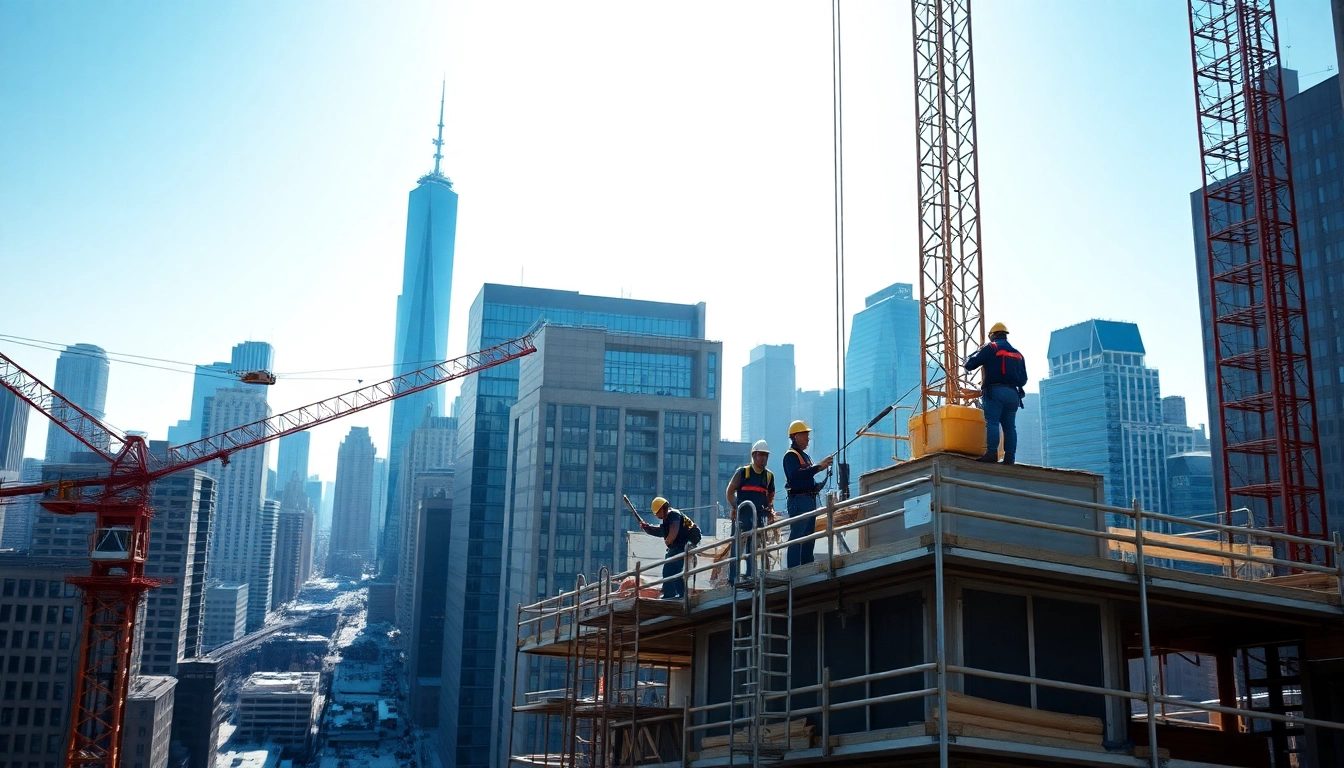
Understanding Manhattan General Contractor Services
Choosing a reliable contractor is crucial for the success of any construction project, whether residential or commercial. A Manhattan General Contractor provides a plethora of services designed to oversee and manage building projects from start to finish. In this section, we will explore the different types of services offered by these contractors, the benefits they provide, and how to select the ideal contractor for your specific needs.
Types of Services Offered
Manhattan General Contractors specialize in a broad spectrum of construction services that cater to various project requirements. Here’s a detailed look at the types of services provided:
- General Construction: Comprehensive management of construction projects including residential, commercial, and mixed-use developments. This involves everything from initial planning and permits to the final inspection and handover.
- Renovations and Remodels: Modifications to existing structures to upgrade or change their design and functionality. This can include kitchen and bathroom remodels, extensions, and complete overhauls.
- Design-Build Services: A streamlined approach that covers both design and construction under one contract, reducing time and costs associated with traditional methods.
- Project Management: Overseeing and coordinating all aspects of a project, ensuring it stays on schedule and within budget, while maintaining the highest quality standards.
- Specialty Services: This may include custom features such as eco-friendly materials, smart home technologies, or unique architectural elements tailored to client specifications.
Benefits of Hiring a General Contractor
The decision to hire a Manhattan General Contractor can significantly impact the success of your construction project. Here are some key advantages:
- Expertise: General contractors bring a level of expertise that is essential in navigating the complexities of construction. Their knowledge helps prevent potential pitfalls and ensures compliance with regulations.
- Time Efficiency: With their project management skills, general contractors can expedite the construction process, saving you valuable time. They handle scheduling, procurement, and staffing, enabling you to focus on other aspects of your project.
- Cost Management: A good general contractor has established relationships with suppliers and subcontractors, allowing them to negotiate better prices for materials and labor, ultimately saving you money.
- Quality Control: By overseeing the construction process, general contractors ensure that the work performed meets industry standards and client expectations, leading to a more satisfactory end result.
- Risk Mitigation: Hiring a licensed contractor minimizes risks associated with accidents, delays, and unforeseen problems. They carry liability insurance, which protects you from financial liabilities.
Selecting the Right Contractor for Your Project
Finding the right general contractor for your project requires due diligence. Here are steps to guide you in your selection process:
- Define Your Project: Clearly outline your needs, budget, and timeline to provide contractors with the necessary information for accurate proposals.
- Research and Referrals: Seek recommendations from friends, family, or online reviews. An informed choice often leads to better results.
- Interview Candidates: Prepare a set of questions to assess potential contractors’ experience, past projects, and approach to challenges that may arise during construction.
- Check Credentials: Ensure the contractor is licensed and insured. Verify their qualifications and ask for references to gauge their reliability and workmanship.
- Obtain Detailed Quotes: Collect multiple quotes for comparison. Look for transparency in the pricing model and understand what is included in each estimate.
How to Evaluate a Manhattan General Contractor
Key Qualifications to Look For
When evaluating a general contractor, certain qualifications can signal their competency and reliability. These include:
- Licensing and Insurance: Verify that the contractor holds the necessary licenses and insurance to perform construction work legally and safely.
- Experience in Similar Projects: Look for a contractor with experience in your specific type of project, which may involve unique regulatory standards.
- Positive Client Feedback: Reviews and testimonials can offer insights into a contractor's work ethic, reliability, and ability to adhere to timelines.
- Financial Stability: A financially stable contractor is less likely to face issues that could lead to project delays or quality compromises.
Questions to Ask Potential Contractors
Preparing a list of questions can help you assess whether a contractor is the right fit for your needs. Here are some to consider:
- What is your projected timeline for completion?
- How do you handle unexpected issues or changes during construction?
- Can you provide a list of previous clients for reference?
- What warranties do you offer on your work?
- How will you communicate project updates?
Checking References and Past Work
Before hiring a contractor, it’s essential to check their references and past projects. Speak to previous clients about their experiences, focusing on:
- The contractor's communication and transparency throughout the project
- The quality of the work performed and adherence to the budget and timeline
- Any issues that arose and how they were resolved
Cost Considerations with Manhattan General Contractors
Understanding Pricing Structures
Understanding how contractors charge for their services can help you budget appropriately. Here are the common pricing structures:
- Fixed Price: A lump sum for the entire project based on a detailed scope of work. This arrangement allows for predictable budgeting.
- Cost Plus: The contractor is paid for the actual costs incurred plus a markup. This method can be advantageous if your project has many variables or unknowns.
- Time and Materials: Clients are billed based on labor hours and materials used. This is suitable for projects with uncertain final costs.
Budgeting Tips for Construction Projects
Proper budgeting ensures that your construction project doesn't exceed financial limits. Here’s how to budget efficiently:
- Allocate a Contingency Fund: Set aside 10-20% of your budget for unexpected expenses. This will buffer against unforeseen issues that may arise during construction.
- Prioritize Needs Over Wants: Determine the essential aspects of your project and ensure they fit within your budget before considering upgrades or luxuries.
- Regular Financial Reviews: Monitor expenses throughout the project to ensure they remain on track. Adjust as necessary to stay within budget.
Cost vs. Value: Making the Right Choice
It’s vital to assess the value offered by a contractor against the cost of their services. Here are key factors to consider:
- Quality of Work: Sometimes the cheapest option is not the best. Evaluate the quality of materials and previous projects.
- Reputation: A contractor with a solid reputation may be worth the extra cost due to their reliability and excellent service.
- Post-Completion Support: Consider if the contractor provides support after the project is completed, as good service can add lasting value to your investment.
Best Practices for Working with a Manhattan General Contractor
Establishing Clear Communication
Open communication is essential for successful collaboration with your contractor. To facilitate this:
- Set regular check-ins to discuss progress.
- Use clear language and avoid jargon to prevent misunderstandings.
- Keep a log of communications, decisions, and changes.
Understanding Project Timelines
Understanding the timeline of your project helps manage expectations. To ensure clarity:
- Request a detailed project timeline upon contract signing.
- Discuss milestones and deadlines regularly, adjusting as necessary.
- Monitor weather and site conditions that could affect timelines.
Handling Changes and Unexpected Issues
Changes and issues can arise during construction. To manage them effectively:
- Document all change requests and communicate them in writing.
- Discuss the impact on budget and timeline before making changes.
- Develop a procedure with your contractor for addressing unexpected challenges to maintain workflow.
Future of Construction: Trends Impacting Manhattan General Contractors
Adopting Green Building Practices
Environmental consideration is becoming increasingly essential in construction. Many contractors are adopting sustainable building practices to reduce environmental impact:
- Using eco-friendly materials such as reclaimed wood and recycled metals.
- Implementing energy-efficient systems and technologies to reduce operational costs.
- Designing buildings with sustainability in mind, such as maximizing natural light and ventilation.
Technology's Role in Modern Construction
Technology is transforming the construction landscape. Here are some significant advancements:
- Building Information Modeling (BIM): This technology allows for detailed digital representations of buildings, improving design and workflow efficiency.
- Project Management Software: Improved software solutions help contractors manage schedules, budgets, and communications more efficiently.
- Drones: Utilized for site assessments, real-time inspections, and progress tracking, enhancing project oversight and management.
Community Development and Projects
General contractors are playing a vital role in community development projects, which involve:
- Engaging with local governments and organizations on public projects that enhance community infrastructure.
- Implementing affordable housing initiatives to meet local needs.
- Creating spaces that contribute to the community's social and economic development.
Frequently Asked Questions
What does a general contractor do?
A general contractor manages construction projects by overseeing the day-to-day operations, coordinating subcontractors, ensuring compliance with building codes, and maintaining communication with clients throughout the project.
How do I know if I need a general contractor?
If your project involves significant construction work requiring multiple trades, permits, or a detailed project management approach, hiring a general contractor can drastically simplify the process.
What should I look for in a contractor?
Look for a contractor with relevant experience, positive references, legal licensing, insurance, and a clear understanding of your project's requirements and goals.
How do I handle unexpected costs during construction?
Ensure you have a contingency fund set aside for unforeseen expenses and regularly review the budget with your contractor to manage costs effectively throughout the project.
What are the typical payment terms for contractors?
Payment terms vary, but most contractors require a deposit upfront, followed by progress payments based on completed work or milestone achievements, with the final payment due upon project completion.