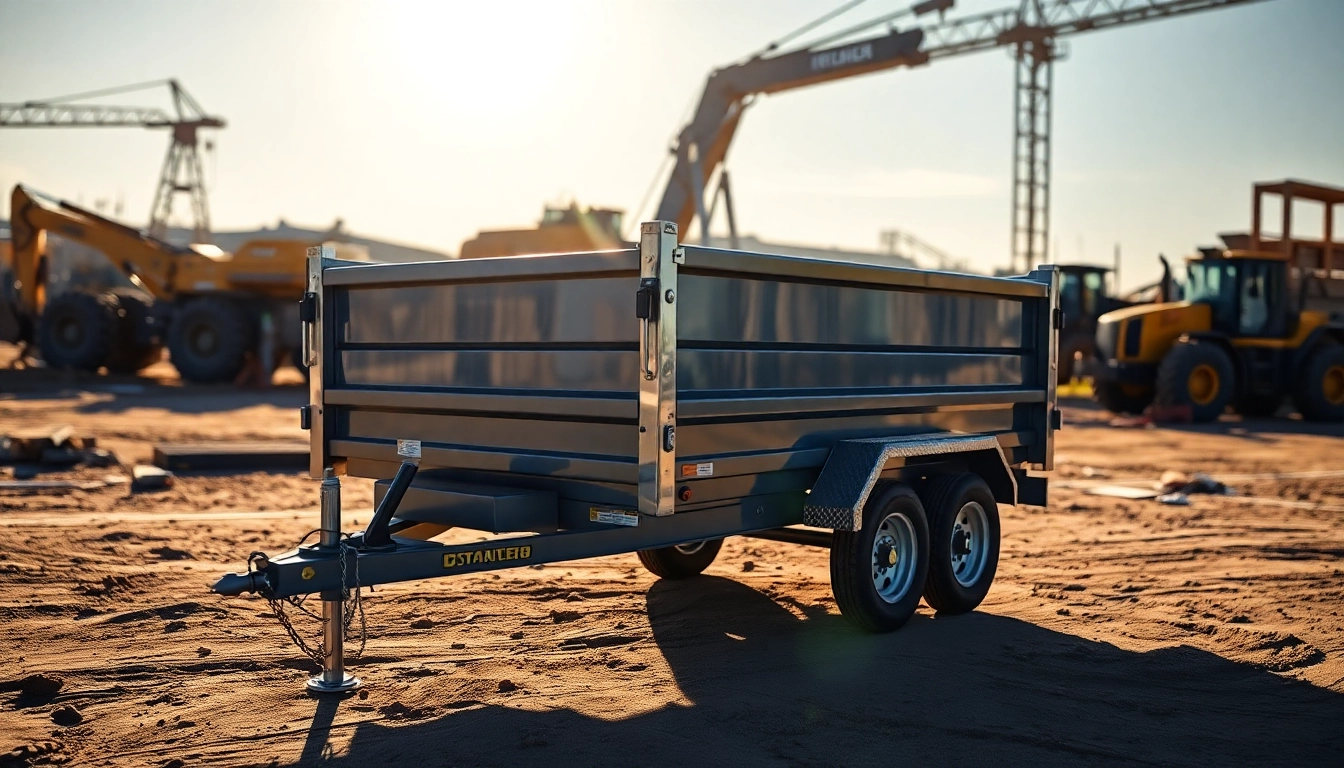
The Essential Role of the Dump Trailer in Today’s Projects
In today's fast-paced world of construction, landscaping, and home improvement, having the right tools for the job is essential. One such tool that has proven invaluable across various industries is the dump trailer. This versatile piece of equipment has transformed how we transport materials, making it easier, safer, and more efficient. Whether you’re a contractor, a landscaper, or a DIY enthusiast, understanding the function and advantages of dump trailers can significantly enhance your productivity.
What is a Dump Trailer?
A dump trailer is a specialized type of trailer designed for transporting loose materials, such as dirt, gravel, debris, or construction waste. Unlike standard trailers, dump trailers feature a hydraulic lift mechanism that allows the user to tilt the trailer's bed and unload its contents with ease. This feature not only saves time but also eliminates the risk of manual labor injuries associated with unloading heavy materials by hand.
Primary Uses of a Dump Trailer
Dump trailers serve a variety of applications across multiple industries:
- Construction: Transporting materials like sand, gravel, and soil is a common use.
- Landscaping: Ideal for hauling mulch, plants, and debris.
- Home Renovations: Great for disposing of old materials, like drywall and concrete.
- Event Logistics: Effective for moving equipment or supplies for outdoor events.
Benefits of Owning a Dump Trailer
Investing in a dump trailer offers several benefits that can enhance efficiency and productivity:
- Increased Efficiency: The hydraulic lift feature saves time during loading and unloading.
- Versatility: Useful for various materials, making it a multi-purpose tool.
- Cost Savings: Owning a dump trailer reduces rental costs for frequent users.
- Enhanced Safety: Reduces the physical strain of unloading materials and minimizes injury risks.
Choosing the Right Dump Trailer for Your Needs
When it comes to selecting a dump trailer, a one-size-fits-all approach does not apply. Each user has unique requirements based on their specific use cases and project types. The following factors can help guide your decision-making process:
Factors to Consider When Selecting a Dump Trailer
Choosing the right dump trailer involves considering:
- Payload Capacity: Assess the maximum weight the trailer can carry based on your typical load needs.
- Tongue Length: Ensure compatibility with your towing vehicle for safe and effective towing.
- Trailer Size: Consider your storage space and transport requirements.
- Build Quality: Look for durable materials that can withstand harsh working conditions.
Different Types of Dump Trailers Available
Dump trailers come in various configurations tailored to different tasks:
- Single Axle Dump Trailers: Ideal for light to medium-duty applications.
- Dual Axle Dump Trailers: Provides greater stability and higher payload capacity for heavier loads.
- Gooseneck Dump Trailers: Offers better maneuverability and stability for larger loads.
- Enclosed Dump Trailers: Protects materials from the elements and theft.
Cost Considerations of a Dump Trailer
The initial investment in a dump trailer can vary widely based on size, capacity, and features. On average, prices can range from a few thousand to several tens of thousands of dollars. When budgeting, consider:
- Upfront Costs: Determine the purchase price and any customization needs.
- Operating Costs: Factor maintenance, repair costs, and fuel usage into your overall expenditure.
- Return on Investment: Assess how owning a dump trailer can save money on rentals and improve operational efficiency.
Maintenance Tips for Longevity of Your Dump Trailer
To ensure your dump trailer remains in top condition and serves its purpose effectively over time, implementing a regular maintenance routine is crucial:
Regular Maintenance Practices for Dump Trailers
Establishing a maintenance schedule will prolong your dump trailer's lifespan:
- Cleansing: Regularly clean the trailer's interior and exterior to prevent rust and corrosion.
- Lubrication: Ensure all moving parts are adequately lubricated to facilitate smooth operations.
- Brake Checks: Regularly inspect the braking system to ensure safety and responsiveness.
- Tire Maintenance: Check tire pressures and conditions regularly to ensure safe towing.
Common Repairs Required for Dump Trailers
Being aware of common issues can help you address them before they escalate:
- Hydraulic System Leaks: Check for hydraulic fluid leaks that could hinder the lifting mechanism.
- Electrical Failures: Address any electrical issues promptly to prevent system failures.
- Frame Damage: Inspect the trailer frame for cracks or damages that may affect durability and safety.
Winterizing Your Dump Trailer
Preparing your dump trailer for winter will protect it from extreme weather conditions:
- Clean Thoroughly: Remove all debris and give it a good wash to prevent rust.
- Protect Hydraulic Components: Drain fluids if storing for an extended time and protect hoses from freezing.
- Store Properly: Place it in a dry, sheltered area to further protect it from the elements.
How to Safely Operate a Dump Trailer
Operating a dump trailer requires adherence to safety protocols to prevent accidents:
Key Safety Precautions to Follow
Taking preventive measures can minimize risks while working with dump trailers:
- Wear Safety Gear: Use hard hats, gloves, and steel-toed boots to protect yourself while working.
- Check Capacity Limits: Always remain within the payload limits to avoid accidents.
- Secure the Load: Ensure loads are balanced and secured before transport.
Loading and Unloading Best Practices
When loading or unloading materials, follow best practices for efficiency and safety:
- Use Proper Techniques: Load materials evenly and avoid overloading one side.
- Position the Trailer Correctly: Ensure the trailer is level when unloading to prevent accidents.
- Use Caution: Watch for bystanders and keep a safe distance when using the hydraulic lift.
Regulations for Dump Trailer Use
Different regions have regulations governing the operation of trailers:
- Licensing Requirements: Check local laws on whether a special license is needed.
- Weight Limits: Be aware of highway weight limits to avoid fines.
- Insurance: Proper insurance coverage is essential for protection during use.
Improving Performance and Efficiency of Your Dump Trailer
To maximize the utility of your dump trailer, consider ways to enhance its performance and efficiency:
Tips for Increasing Load Capacity
Implementing strategies to optimize load capacity can enhance productivity:
- Upgrade Materials: Investing in high-strength steel can allow for a lighter trailer with higher capacity.
- Optimize Trailer Design: Designs that improve aerodynamics can ensure better fuel efficiency while towing.
Utilizing Accessories to Enhance Your Dump Trailer
Several accessories can improve the functionality of a dump trailer:
- Load Tarps: Using tarps can prevent materials from blowing away during transport.
- Dollies: Adding dollies or accessory wheels can improve maneuverability.
- Safety Chains: Always ensure safety chains are used for added security during towing.
Future Technologies Impacting Dump Trailer Designs
As technology advances, we expect several developments to impact dump trailer design and functionality:
- Smart Sensors: Implementing sensors can monitor load weight and stability in real-time.
- IoT Integration: The Internet of Things can enable remote monitoring and diagnostics, enhancing performance management.
- Eco-Friendly Materials: Advances in sustainable materials can lead to lighter, more durable trailers.
Frequently Asked Questions
What materials can I transport with a dump trailer?
Dump trailers are versatile and can transport gravel, dirt, construction debris, and more.
How often should I maintain my dump trailer?
Regular maintenance every 3-6 months is recommended to ensure safety and performance.
Can I use a dump trailer for personal projects?
Yes, dump trailers are great for landscaping, home renovations, and moving bulk materials.
What safety gear do I need while operating a dump trailer?
Always wear a hard hat, gloves, and steel-toed boots while operating or loading a dump trailer.
How do I determine the weight capacity of my dump trailer?
The weight capacity is usually found in the owner’s manual and varies by trailer size and model.