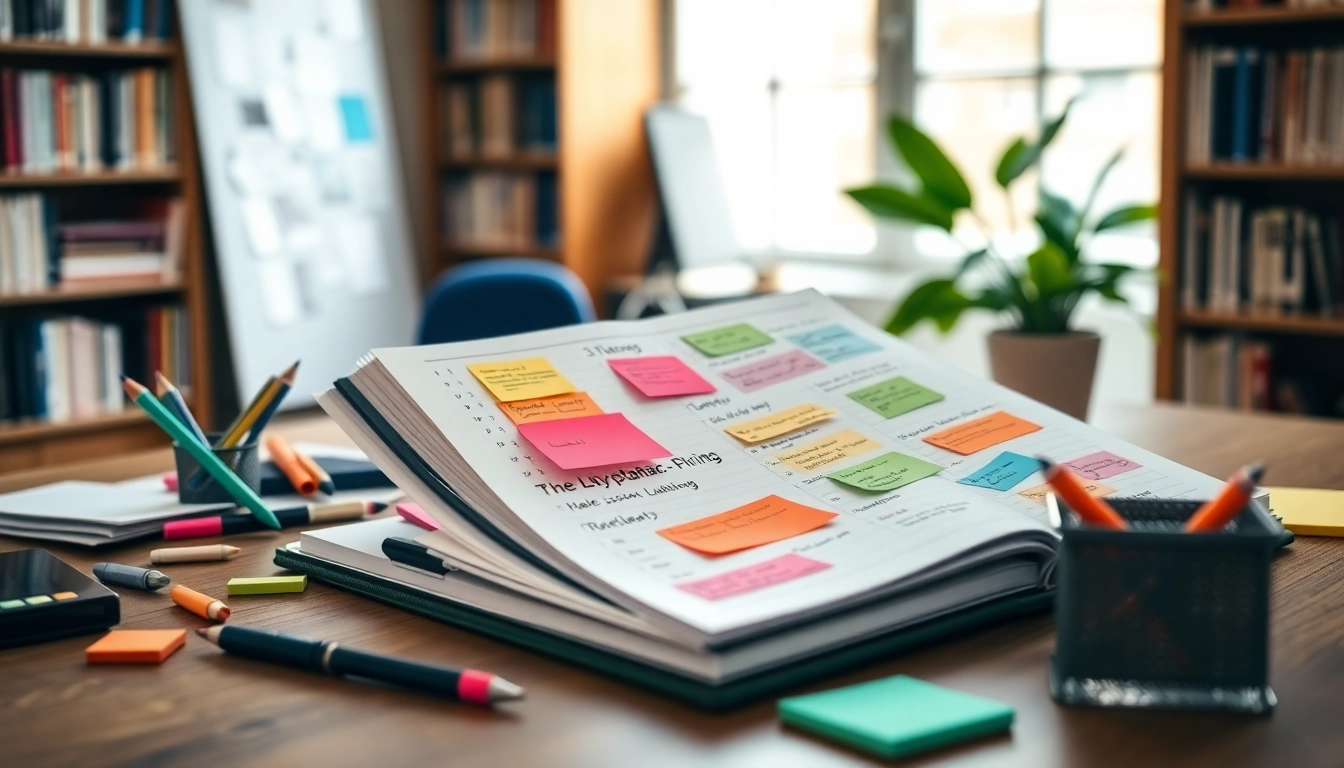
Understanding the Importance of Planning
In a world filled with distractions and responsibilities, effective planning is essential for achieving personal and professional goals. Without a clear strategy, individuals often find themselves overwhelmed by tasks and unable to prioritize effectively. This is where the concept of Plan Your Way, Instantly comes into play, emphasizing the importance of tailored planning methods that can adapt to one’s unique lifestyle and aspirations.
Why Plan Your Way, Instantly?
Planning is not just about making a to-do list; it’s about creating a roadmap for success. The ability to plan your way, instantly, allows individuals to seize opportunities as they arise, rather than being caught off guard. This agile approach to planning can significantly enhance productivity and reduce stress.
The Benefits of Effective Planning
Effective planning offers numerous benefits:
- Enhanced Productivity: A well-structured plan helps individuals focus on high-priority tasks, minimizing wasted time.
- Reduced Stress: Knowing what needs to be done can alleviate anxiety and help maintain a sense of control.
- Improved Time Management: Effective planning allows individuals to allocate time wisely, making room for both work and personal activities.
- Greater Goal Achievement: A clear plan outlines steps toward goals, increasing the likelihood of success.
Common Misconceptions About Planning
Despite its advantages, many people hold misconceptions about planning that can hinder their efforts:
- Planning is Time-Consuming: In reality, spending a few minutes to plan can save hours of confusion.
- Flexibility Equals Lack of Planning: A good plan can and should be flexible to adapt to changing circumstances.
- Only Professionals Need to Plan: Everyone can benefit from a structured approach to managing their tasks and goals.
Tools and Methods for Effective Planning
With the myriad of planning tools available today, choosing the right ones can feel overwhelming. It’s essential to find tools that align with your personal preferences and goals.
Digital vs. Paper Planning Systems
Choosing between digital and paper planning systems is a matter of personal preference. Digital planners offer convenience and synchronization across devices, while paper planners provide a tactile experience that some users find beneficial for memory retention.
Choosing the Right Planner for You
When selecting a planner, consider factors such as:
- Layout: Daily, weekly, or monthly views can suit different planning styles.
- Size: A compact planner may be ideal for on-the-go use, while larger planners may provide more space for detailed notes.
- Features: Look for planners that include sections for goal setting, reflection, or time blocking.
Popular Planning Techniques to Try
There are several planning techniques that can enhance the effectiveness of your planning process:
- Time Blocking: Assign specific time blocks for tasks to improve focus and efficiency.
- The Eisenhower Matrix: Prioritize tasks based on their urgency and importance.
- The Pomodoro Technique: Break work into intervals to maintain concentration and prevent burnout.
- SMART Goals: Set Specific, Measurable, Achievable, Relevant, and Time-bound goals to enhance clarity and focus.
Steps to Plan Your Day Effectively
Planning doesn’t stop at choosing your tools and techniques; it requires a daily commitment to effective execution. Here’s how to get started.
Morning Routine: Setting the Tone
A well-defined morning routine can set a positive tone for the day. Incorporating activities such as meditation, exercise, and reviewing your plan for the day can enhance your focus and productivity.
Breaking Down Tasks for the Day
Instead of overwhelming yourself with a long to-do list, break tasks into smaller, manageable steps. This approach not only makes tasks feel less daunting but also increases the likelihood of completing them.
Time Management Strategies
Employing effective time management strategies can significantly increase productivity. Consider utilizing techniques like:
- Prioritization: Focus on high-impact tasks first to maximize results.
- Scheduling Breaks: Plan short breaks to recharge and maintain energy levels.
- Setting Deadlines: Create self-imposed deadlines to improve accountability and focus.
Adapting Your Plan for Flexibility
Even the best-laid plans may need adjustments. Flexibility is key to navigating unexpected challenges.
Responding to Unexpected Changes
Life is unpredictable, and adaptability is crucial. Build buffer time into your plans and be ready to reassess priorities when unexpected events occur.
Adjusting Goals and Priorities
Regularly review your goals and adjust them as necessary. This ensures that your planning remains relevant to your changing circumstances and ambitions.
Maintaining Motivation Through Changes
To stay motivated during changes, maintain a positive mindset. Celebrate small achievements and reaffirm your long-term goals to keep the momentum going.
Measuring Your Planning Success
Evaluating your planning effectiveness is crucial for continuous improvement. Here’s how to assess your success.
Tracking Progress and Adjustments
Keep track of your accomplishments and setbacks. Tracking progress not only provides motivation but also highlights areas needing improvement.
Reflecting on What Works
Take time to reflect on what strategies yield the best results. This practice helps refine your planning methodology over time.
Continuous Improvement in Planning
Planning is an evolving process. Embrace new tools, seek feedback, and learn from your experiences to continuously improve your planning skills.
Frequently Asked Questions
What is the best way to start planning my day?
Begin by defining your top priorities and creating a simple to-do list for the day. Allocate dedicated time blocks for each task to enhance efficiency.
How long should I spend planning each day?
Spending 10-15 minutes in the morning or the night before to plan your day can significantly enhance focus and productivity.
Can I plan my day in just 5 minutes?
Yes, you can utilize a quick routine involving a brain dump of tasks, priority setting, and scheduling to plan effectively in five minutes.
How do I handle unexpected changes in my plan?
To manage unexpected changes, maintain flexibility within your plan. Adjust priorities and allow for buffer time in your scheduling.
What tools can help with my planning?
Consider using a mix of digital apps for organization and paper planners for tactile interaction to find what best fits your style.