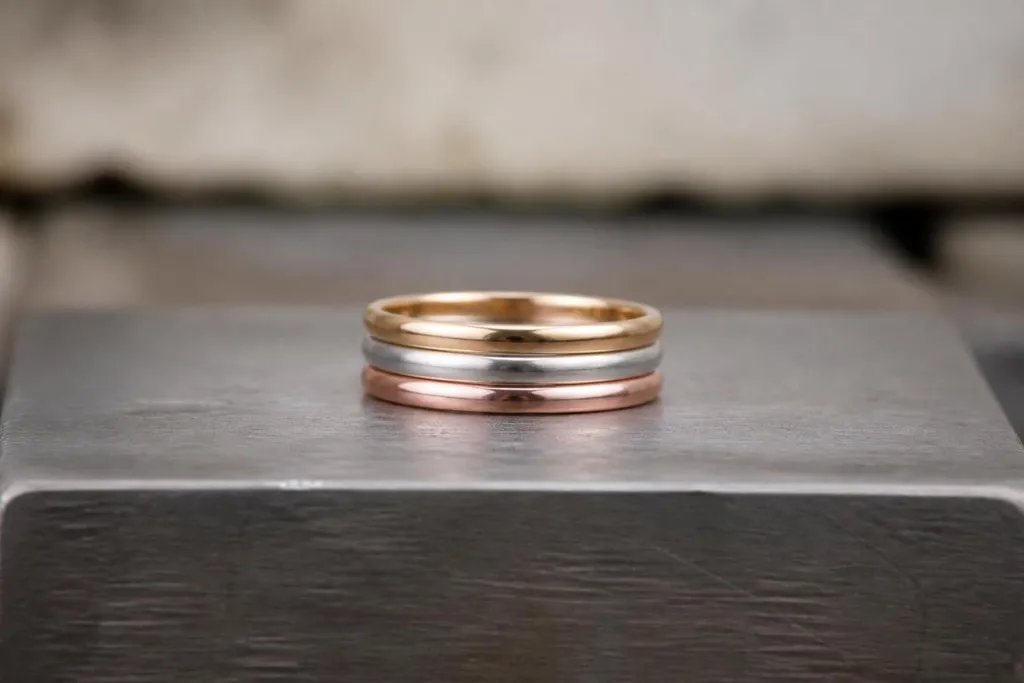
A fine jewellery ring does not need to be reserved for an engagement or wedding to carry significance. Rings can mark anniversaries, achievements, birthdays or personal milestones, while others earn their place simply because they are enjoyable to wear every day. The most versatile designs move easily between these roles, working beautifully alone while also offering enough balance to become part of a considered stack.
For anyone looking to order fine jewellery rings from Lily Arkwright, it helps to think beyond the appeal of an individual piece. Band width, gemstone scale, metal colour and setting profile determine how comfortably a ring integrates with jewellery already owned. Choosing with those relationships in mind creates a collection that can evolve naturally rather than relying on rings that only work in one fixed combination.
Build a Stack Through Contrast and Proportion
Successful ring stacking is rarely about making every band identical. Subtle differences in width, texture and gemstone placement give each ring enough definition to remain visible.
A fine diamond-set band can provide a bright line between two plain rings, while a broader precious-metal design can give a delicate stack greater structure. Mixing smooth surfaces with gemstone settings creates another layer of contrast without requiring dramatically different styles.
Width needs particular attention. Several substantial bands worn together can occupy significant space between the base of the finger and knuckle, making the stack uncomfortable even if each ring fits correctly on its own.
Starting with one dominant ring and adding finer supporting pieces often creates better balance. The focal ring might feature a larger gemstone or stronger design detail, while neighbouring bands introduce colour, sparkle or metal without competing for attention.
Spacing can also be intentional. A perfectly flush stack looks cohesive, but a small gap caused by differing profiles can give individual designs more room to be appreciated.
Choose Gemstones Around the Ring's Purpose
The intended role of a ring should influence gemstone size and setting.
For everyday wear, a restrained profile may be more practical than a highly elevated centre stone. Smaller diamonds or gemstones set across the band can provide noticeable detail while reducing the prominence of a single raised element.
A milestone ring can comfortably take a more expressive approach. A larger gemstone, distinctive cut or stronger use of colour may feel appropriate when the piece is intended to represent a significant anniversary or achievement.
Size should still have a reason. Someone may prefer a larger centre stone because the ring will often be worn alone and needs enough presence to work as the focal piece. Another wearer may deliberately select smaller stones because the ring is intended to sit between an engagement ring and wedding band.
Colour can provide meaning too. Sapphire, ruby, emerald and other coloured gemstones can reference personal preferences, significant dates or simply a shade that integrates naturally with an existing jewellery collection.
Mix Metals With a Clear Visual Link
Fine jewellery rings do not necessarily need to share the same metal.
Platinum and white gold create a cool foundation that pairs naturally with colourless stones. Yellow gold introduces warmth, while rose gold can soften a stack and create an effective transition between warmer and cooler tones.
Mixed-metal combinations work particularly well when one colour is repeated. For example, a yellow gold ring between two white-metal bands can appear deliberately contrasted, but adding another small yellow gold detail elsewhere makes the combination feel more connected.
Existing jewellery provides useful guidance. An engagement ring or wedding band worn daily will naturally influence which new fine jewellery rings are easiest to incorporate.
Metal should also be considered from a practical perspective. Different finishes and alloys develop signs of wear differently, particularly where rings make regular contact with one another.
Design for Everyday Comfort and Longevity
A ring that looks beautiful in a stack still needs to feel comfortable after several hours.
Check how settings meet. Raised claws or sharp edges on neighbouring rings can rub against one another, potentially creating unnecessary wear. Rings with compatible profiles generally sit more comfortably together.
Fit can also change when several bands are stacked. Multiple rings cover more of the finger and may feel tighter than a single band, so sizing should reflect how the pieces will actually be worn.
Routine care helps preserve both gemstones and settings. Creams and soaps can collect between closely set stones, reducing brightness, while regular professional inspections can identify worn claws or other issues.
Rotating different combinations can also reduce constant contact between the same pieces while giving the collection greater versatility.
Final Thought
Fine jewellery rings are especially rewarding because their meaning does not have to come from one occasion. A ring can begin as a milestone piece, become part of an everyday stack and later sit alongside jewellery acquired years afterwards.
Choose each design with proportion, comfort and existing pieces in mind. By combining quieter bands with stronger focal rings and introducing metal or gemstone contrast thoughtfully, it is possible to build a collection that feels personal without becoming difficult to wear—one that evolves naturally alongside the occasions it comes to represent.