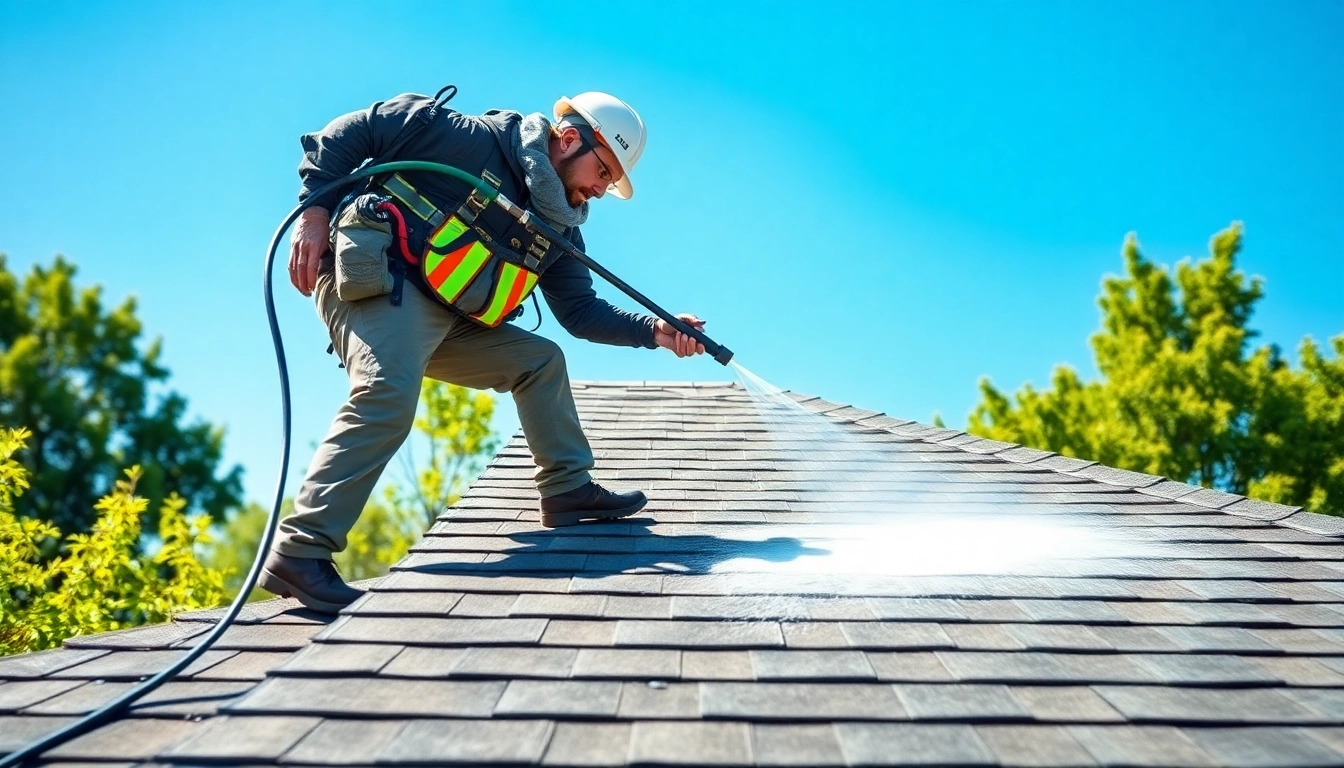
Understanding Roof Cleaning
What is Roof Cleaning?
Roof cleaning involves the systematic removal of debris, moss, algae, and other contaminants from the roof surface. Regular maintenance ensures that roofs remain in optimal condition, preventing unnecessary deterioration and ensuring longevity. The process can be comprehensive, employing various techniques to achieve cleanliness without damaging roofing materials. Engaging in Roof Cleaning is not just aesthetic; it serves several key functions that protect your investment.
Importance of Regular Roof Cleaning
Regular roof cleaning is essential for several reasons. Firstly, it enhances the overall visual appeal of a property, increasing curb appeal and potentially raising property value. Second, it helps prevent structural damages that can result from the accumulation of organic matter and debris, reducing the risk of leaks and water damage. Finally, it promotes energy efficiency by allowing your roof to reflect sunlight properly, which can lower cooling costs.
Common Roof Problems Addressed by Cleaning
- Moss and Algae Growth: These organisms thrive in damp environments and can trap moisture, leading to shingle deterioration.
- Clogged Gutters: Debris accumulation can obstruct water flow, causing it to back up and damage roofing materials.
- Roof Stains: Unsightly stains can diminish aesthetics, but they may also indicate underlying issues that need addressing.
- Debris Accumulation: Leaves, twigs, and other debris can trap moisture and promote moss and algae growth.
Types of Roof Cleaning Methods
Soft Washing: A Gentle Approach
Soft washing is a highly effective roof cleaning method that utilizes low-pressure water and specialized biodegradable cleaning solutions. This technique is ideal for fragile roofing materials such as wood or asphalt shingles that could be damaged by high-pressure systems. Soft washing not only cleans the surface but also targets the roots of algae and moss, ensuring they don’t return quickly after cleaning.
Pressure Washing: Pros and Cons
Pressure washing involves the use of high-pressure water jets to clean surfaces. While it can be effective in removing heavy debris and grime, it's crucial to use it cautiously. High pressure can strip away protective layers of shingles, leading to long-term damage. Thus, homeowners should weigh its pros, like quick cleaning, against cons, such as potential damage and the need for subsequent repairs.
Chemical Cleaning: Safety and Effectiveness
Chemical cleaning uses specific chemicals designed to break down organic growth and stains on roofs. This method is highly effective for tough stains but must be handled by professionals to avoid damage to surrounding vegetation and materials. It's essential to discuss potential environmental impacts and safety with a service provider.
Choosing the Right Roof Cleaning Service
What to Look for in a Professional Service
Identifying the right roof cleaning service requires attention to detail. Look for well-reviewed companies with certifications and experienced staff. Check if they carry the required insurance and offer warranties on their work. A reputable service should also provide a clear explanation of their methods and expected results.
Questions to Ask Potential Contractors
- What cleaning methods do you use and why?
- Do you have insurance and are you licensed?
- Can you provide references or case studies?
- What precautions do you take for plants and landscaping?
- Will you discuss post-cleaning roof maintenance tips?
Budgeting for Roof Cleaning
The cost of roof cleaning can vary significantly based on factors like the size of the roof, the cleaning method employed, and the company’s pricing structure. On average, homeowners may expect to pay between $200 to $600 depending on the specifics of the job. Always get multiple estimates and consider the value of long-term savings associated with maintaining a clean roof.
DIY Roof Cleaning Techniques
When to Consider DIY Cleaning
While professional services are often recommended, some homeowners may consider DIY cleaning for minor maintenance or in less problematic areas. If the roof is only lightly soiled and the materials can withstand soft washing or a gentle approach, a DIY cleanup might be feasible. However, for extensive cleaning or high roofs, a professional should be called in to mitigate risk.
Essential Tools and Supplies for Homeowners
Homeowners engaging in DIY roof cleaning will need some essential tools. A sturdy ladder, soft-bristle brushes, and a low-pressure sprayer are crucial. Additionally, appropriate cleaning solutions tailored for the specific type of roof material are necessary. Safety gear, such as gloves and eye protection, is also critical to prevent injury during the cleaning process.
Safety Tips for DIY Roof Cleaning
Safety is paramount during DIY roof cleaning. Always use non-slip shoes and ensure your ladder is stable. Work during good weather conditions to avoid slippery surfaces and be aware of electrical hazards. If you feel uncomfortable working at heights, it's always better to hire a professional to ensure safety.
Maintaining a Clean Roof
Post-Cleaning Maintenance Tips
After cleaning your roof, it's important to maintain its cleanliness. Regular inspections for moss or algae growth can help catch problems early. Additionally, cleaning gutters regularly and trimming overhanging tree branches can reduce debris accumulation and promote sunlight exposure, deterring organic growth.
Signs Your Roof Needs Cleaning Again
- Visible mold or moss patches exceeding four to six inches.
- Stains or discoloration affecting the shingles.
- Clogged or overflowing gutters.
- Debris accumulation from nearby trees.
Connect Roof Cleaning with Home Value
Regular roof cleaning contributes significantly to a home's value. A clean and well-maintained roof not only enhances curb appeal but also indicates to potential buyers that the property has been well-cared for. Thus, investing in roof cleaning should be seen as a long-term investment in the property’s overall value.
FAQs
1. How often should I clean my roof?
Typically, it's recommended to clean your roof at least once every 1-3 years, depending on your local environment and level of debris accumulation.
2. Can I use bleach to clean my roof?
While bleach can remove stains, it may damage roofing materials and vegetation. Opting for specialized cleaning solutions or hiring professionals is safer.
3. Will cleaning my roof void my warranty?
Cleaning your roof shouldn’t void a warranty if done correctly. Always check warranty terms and consult with the manufacturer.
4. Do I need to be home during the roof cleaning?
It is not required to be home during the cleaning, but it helps to be around for any immediate questions or concerns the crew may have.
5. What are the environmental impacts of roof cleaning?
Environmental impacts may include runoff from cleaning solutions. Using biodegradable products and ensuring proper waste management can mitigate these effects.