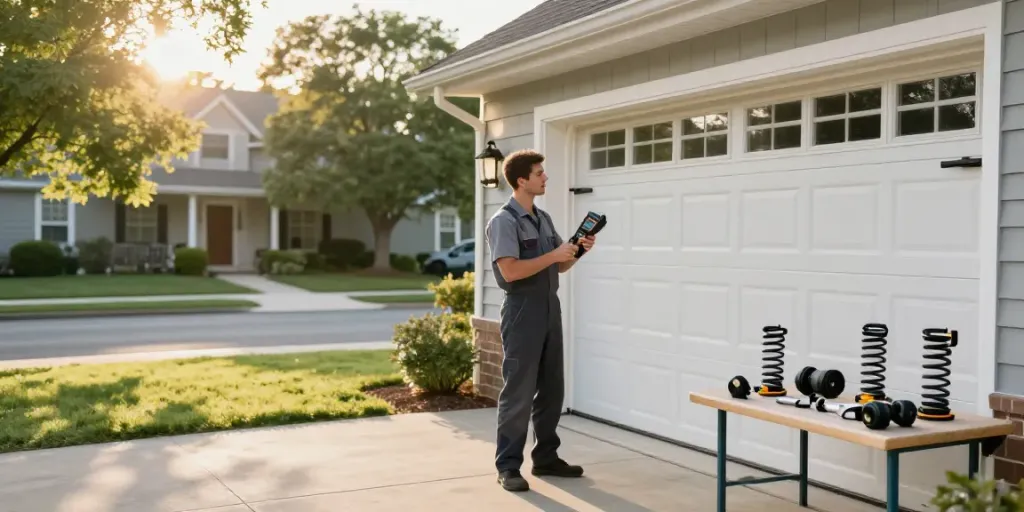
Understanding Garage Door Mechanisms
A garage door is an essential component of your home's security and functionality. However, a garage door that is off track can pose safety hazards and lead to expensive repairs if left unaddressed. Understanding the common causes of garage doors going off track, as well as the key components involved in their operation, is vital for every homeowner. When exploring options, garage door off track issues can often be resolved quickly and efficiently with the right knowledge and expertise.
Common Causes of Garage Doors Going Off Track
Several factors can contribute to a garage door coming off track, including:
- Worn or Damaged Rollers: Rollers that are worn can misalign the door, causing it to slip out of track.
- Broken or Weak Springs: Garage door springs bear the weight of the door. When they weaken or break, the imbalance can lead to misalignment.
- Obstacle Interference: Sometimes, objects on the garage floor or debris in the tracks can prevent the door from moving smoothly.
- Improper Installation: If the garage door was not installed correctly, it may not operate as intended, leading to frequent issues.
Key Components of Garage Door Systems
To understand how to diagnose and fix a garage door off track, it’s helpful to know the key components involved:
- Tracks: The metal paths where the rollers guide the door.
- Rollers: Small wheels that allow the door to move up and down smoothly.
- Springs: These help lift the door's weight, making it easier to open and close.
- Opener: The motorized system that automates the door's operation.
Identifying Your Garage Door Type
There are several types of garage doors, including sectional, roller, and tilt doors. Each type has its own operational mechanism and may experience unique problems that could lead to being off track. Understanding the specifics of your garage door type is essential for effective troubleshooting.
How to Diagnose a Garage Door Off Track
When a garage door is off track, diagnosing the issue promptly is crucial not only for safety but also for reducing repair costs. Follow these steps to identify the problem.
Signs Your Garage Door Needs Immediate Attention
Be on the lookout for these signs that your garage door may be off track:
- The door doesn’t open or close completely.
- Unusual noises when opening or closing.
- The door appears crooked when in motion.
- Visible gaps between the door and the track.
Tools Needed for DIY Diagnosis
To assess your garage door’s condition, you’ll need some basic tools:
- Socket set
- Adjustable wrench
- Lubricant spray
- Screwdriver
Step-by-Step Troubleshooting Process
- Inspect the Tracks: Look for any dents, bends, or obstructions in the tracks.
- Check Rollers: Ensure that rollers are intact and move smoothly.
- Test Springs: Check if springs are intact and functioning properly by gently lifting the door.
- Examine the Opener: Ensure all connections are secure and that the opener is functioning.
Emergency Repair Techniques
In cases where the garage door is critically off track, quick fixes may be necessary to prevent further damage or safety hazards.
Safe Practices for DIY Garage Door Repair
Before attempting a DIY repair, it’s essential to prioritize safety. Always disconnect the opener and ensure that the area is clear of obstructions.
Temporary Fixes for Garage Door Off Track
To temporarily resolve an off-track situation, you may:
- Carefully realign the rollers back into the track.
- Tighten loose hardware to stabilize the door.
- Clear any debris obstructing the track.
When to Call a Professional Technician
If the door continues to malfunction despite your efforts, it’s best to call a professional technician. This is especially important if the issue involves damaged springs or electrical components.
Preventive Maintenance for Garage Doors
Regular maintenance can help prevent many issues associated with garage doors, including being off track. Here are some tips:
Regular Inspection and Maintenance Tips
Conducting regular inspections is vital. Look out for:
- Signs of wear on the tracks and rollers.
- Rust or corrosion on metal components.
- Loose hardware that needs tightening.
Lubrication Techniques for Smooth Operation
Keep the moving parts of your garage door adequately lubricated. Use a garage door-specific lubricant on tracks, rollers, and hinges to ensure smooth operation.
Common Issues That Can Be Prevented
Routine maintenance can help avoid a range of issues, such as:
- Broken springs
- Worn rollers
- Misaligned tracks
Future Trends in Garage Door Technology
The future of garage doors is likely to see significant technological advancements, contributing to better safety and convenience.
Smart Home Integration for Garage Doors
Smart technology will increasingly become integrated into garage door systems, allowing remote operation and monitoring via smartphones.
Emerging Innovations in Garage Door Design
Innovative designs will likely optimize space and functionality, with features like automatic opening systems and enhanced security options becoming standard.
Anticipating Repairs with Predictive Maintenance Tools
Future enhancements may include predictive maintenance tools, which can alert homeowners to potential problems before they become significant issues.
Frequently Asked Questions
What should I do if my garage door comes off track?
If your garage door has come off track, stop using it immediately and assess the situation for any visible obstructions or damage. Consider calling a professional if you cannot resolve it yourself.
How can I fix a garage door that's off track?
To fix a garage door that is off track, you can attempt to carefully guide the rollers back into place. If it's a more complex problem involving springs or tracks, professional assistance may be necessary.
How much does it cost to fix a garage door that's off track?
The cost to fix a garage door off track can vary greatly depending on the extent of the damage and the necessary repairs. A professional assessment will provide an accurate estimate.
What causes a garage door to go off track?
Common causes include worn or broken parts, improper installation, unrecognized obstructions, or overloading the door.
Can I fix a garage door off track on my own?
While minor adjustments can be made by homeowners, it’s advisable to seek professional help for more significant issues to ensure safety and proper repair.