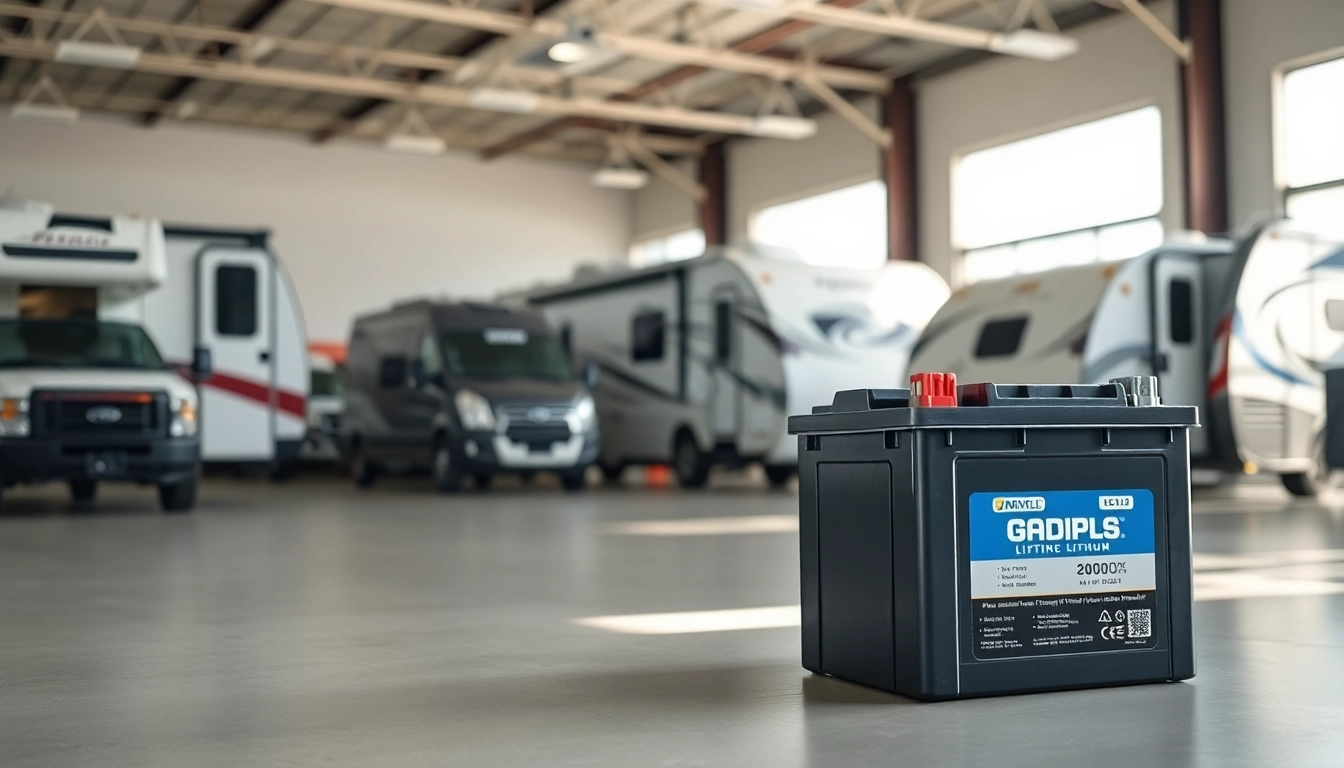
Introduction to Lithium RV Batteries
As outdoor enthusiasts embrace the freedom of travel, the demand for reliable power systems in recreational vehicles (RVs) has surged. Among the most popular options for RV power supply are lithium RV batteries. Understanding these modern power sources is crucial for RV owners seeking durable and efficient energy solutions.
Understanding the Basics
Lithium RV batteries are designed to provide a powerful energy solution for various camping and travel needs. Unlike traditional lead-acid batteries, lithium batteries utilize lithium iron phosphate (LiFePO4) technology, which enhances performance, lifespan, and safety. These batteries have a lower weight, higher energy density, and don’t suffer from the ‘memory effect’ that can impair lead-acid options, making them an attractive choice for modern travelers.
Benefits of Using Lithium RV Batteries
Switching to Vatrer Power lithium RV batteries offers numerous advantages:
- Longer Lifespan: Lithium batteries typically last 10 years or more, outpacing lead-acid batteries, which usually have a lifespan of 3 to 5 years.
- Weight Efficiency: They are significantly lighter, making it easier for RVs to maintain fuel efficiency and performance.
- Fast Charging: Lithium batteries can charge much quicker compared to traditional options, allowing RV owners to spend less time plugged in and more time exploring.
- Depth of Discharge: They can be discharged up to 80% of their capacity, offering more usable power, while lead-acid batteries should only be discharged to 50% to avoid damage.
- Safer Design:12V 300Ah Lithium Battery are less prone to leaking and venting, reducing fire hazards.
Common Misconceptions
Despite their numerous benefits, there are several misconceptions about lithium RV batteries:
- Cost: While the initial cost is higher, the long-term savings in durability and battery replacement make them a worthwhile investment.
- Complexity: Many believe that installing and using lithium batteries is complicated, but many options are designed for easy integration into existing systems.
- Temperature Sensitivity: Some users assume lithium batteries cannot function in extreme weather; however, modern batteries are engineered to withstand a range of temperatures.
Choosing the Right Lithium RV Battery
Choosing the right lithium RV battery can be overwhelming given the various options available. However, understanding specific specifications and differences will make the selection process much simpler.
Key Specifications to Consider
When selecting a lithium RV battery, consider the following specifications:
- Voltage: Determine whether you need a 12V, 24V, or 48V battery based on your RV's system.
- Capacity: Measured in amp-hours (Ah), this indicates how much power the battery can store and provide over time. Choose a capacity that suits your energy consumption needs.
- Size and Weight: Ensure the battery size fits your designated area in the RV, weighing less than traditional options to enhance efficiency.
- Cycle Life: Look for batteries that offer a high cycle life, indicating the number of charge and discharge cycles the battery can handle before performance diminishes.
Top Differences from Lead-Acid Batteries
Understanding the differences between lithium and traditional lead-acid batteries is essential before making a switch:
- Weight: Lithium batteries are lighter and allow for improved fuel efficiency.
- Charge Time: Lithium batteries can charge in much less time than lead-acid batteries.
- Depth of Discharge: Lithium batteries allow for deeper discharges without damage, offering better performance.
- Maintenance: Lithium batteries require less maintenance, as they don’t need regular topping off with water.
Battery Types: Which is Best?
The two main types of lithium batteries commonly used in RVs are Lithium Iron Phosphate (LiFePO4) and Lithium Nickel Manganese Cobalt (NMC). LiFePO4 batteries offer superior thermal stability and safety, whereas NMC batteries can provide higher energy density but come with a higher risk due to heat instability. Consider factors like safety, cost, and application before deciding on which battery type suits your RV best.
Installation and Maintenance Guide
Installing lithium RV batteries is often straightforward, but it’s essential to follow a systematic approach for optimal performance.
Installation Process Explained
Follow these steps for a successful installation:
- Remove the old battery: Carefully disconnect and remove your old lead-acid battery from the RV.
- Prepare the site: Ensure the battery compartment is clean and dry before placing the lithium battery inside.
- Connect terminals: Connect the lithium battery terminals to the RV system, ensuring the positive and negative connections are secure.
- Install the Battery Monitor: If available, install a battery monitor system for real-time tracking of battery performance.
- Test the system: Power on your RV and confirm that all systems are functioning as expected with the new battery installed.
Maintenance Tips for Longevity
Maximize the lifespan of your lithium RV batteries with these maintenance tips:
- Regularly Monitor: Use a battery management system to keep track of the state of charge and health.
- Temperature Control: Store and use batteries within recommended temperature ranges to avoid damage.
- Avoid Full Discharge: Although they can handle it, try to keep your battery above 20% to prolong lifespan.
Safety Precautions When Using Lithium RV Batteries
While lithium batteries are generally safe, adhering to safety guidelines is crucial:
- Fire Safety: Avoid using batteries in poorly ventilated areas.
- Proper Disposal: Dispose of old batteries in accordance with local regulations.
- Disconnect When Not in Use: If storing the RV for extended periods, disconnect the battery for safety.
Frequently Asked Questions About Lithium RV Batteries
Are lithium batteries worth it for an RV?
Yes, for regular RV users, lithium batteries offer higher capacity, longer life, and lower weight, making them a cost-effective option in the long run.
How long do lithium batteries last?
Lithium batteries can last 10 years or longer with proper care, significantly surpassing lead-acid batteries' lifespan.
Can lithium batteries handle extreme temperatures?
While modern lithium batteries are built for a range of temperatures, they perform best between 32 and 113 degrees Fahrenheit. Extreme temperatures can impact performance.
What size lithium battery do I need for my RV?
The required size depends on your power needs and RV configuration. Generally, 100Ah is sufficient for most small RV setups, while larger setups may require 200Ah or more.
Do lithium RV batteries require a special charger?
It's recommended to use a charger specifically designed for lithium batteries to ensure safe charging and to protect the battery's integrity.
Conclusion: Embrace the Change with Lithium RV Batteries
As RV technology advances, lithium RV batteries stand out as essential power sources for modern camping adventures. They offer considerable advantages, including enhanced performance, durability, and safety.
Summarizing Key Advantages
The longevity, rapid charging capability, and light weight of lithium batteries elevate them above traditional options, making them an invaluable investment for any RV enthusiast.
The Future of RV Power Solutions
As the RV market continues to evolve, lithium batteries represent the future of mobile power solutions. Their efficiency fits seamlessly into the lifestyle of the modern traveler.
Taking the Next Steps
For RV owners contemplating an upgrade to lithium RV batteries, now is the time to explore available options and experience the benefits firsthand. The transition toward sustainable and efficient energy is not just a trend; it’s a commitment to better outdoor experiences.