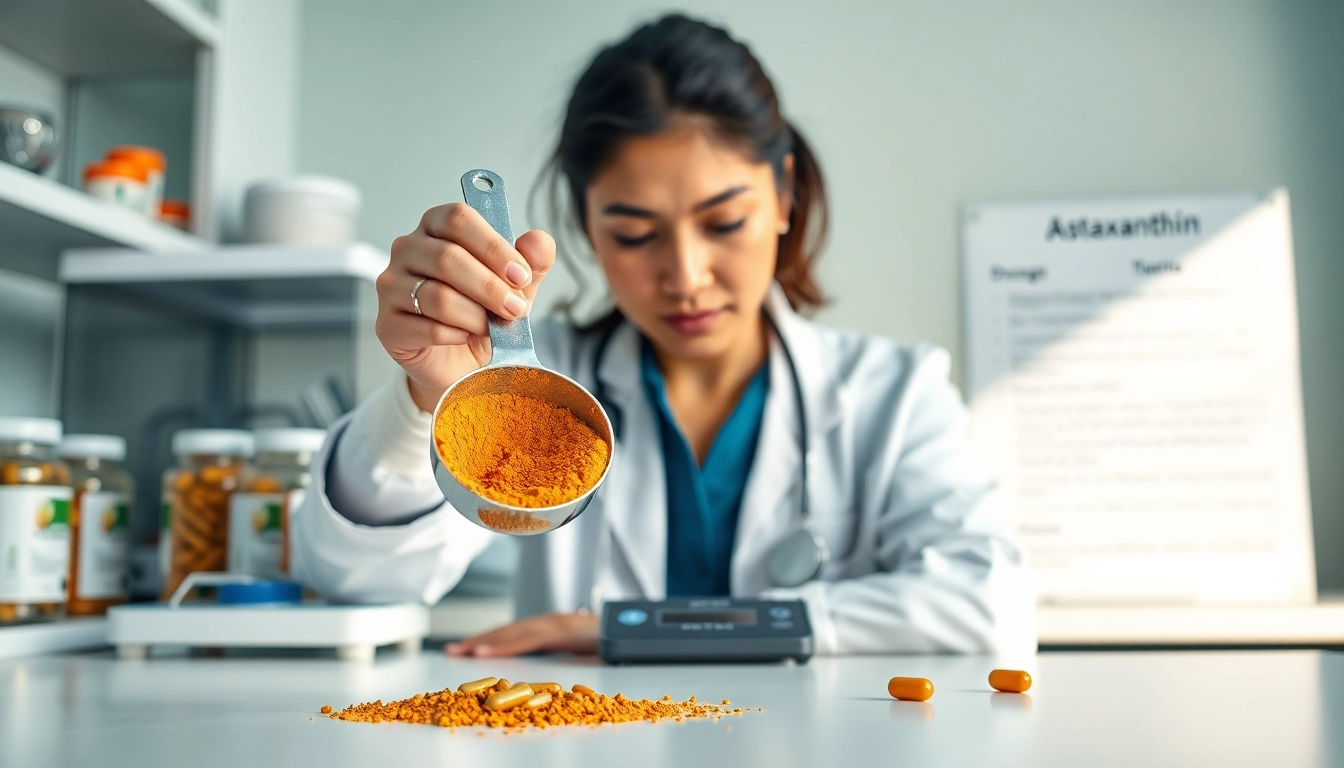
What is Astaxanthin?
Defining Astaxanthin
Astaxanthin is a powerful carotenoid that belongs to the class of natural pigments responsible for the red, pink, and orange hues found in various plants and animals. It is primarily derived from microalgae, and is famous for its exceptional antioxidant properties. Astaxanthin is often touted as a super antioxidant, offering protection against oxidative stress, which is linked to numerous health conditions. This potent compound not only provides color to certain fish and crustaceans but has also gained popularity as a dietary supplement for its health benefits.
Sources of Astaxanthin
Natural sources of astaxanthin include:
- Microalgae: The primary source of astaxanthin is the microalga Haematococcus pluvialis which contains high concentrations of this pigment.
- Seafood: Astaxanthin is abundant in seafood, particularly in salmon, krill, shrimp, and certain types of crab.
- Yeast: Some species of yeast are also recognized for their astaxanthin content.
These sources not only provide the nutrient but also contribute to the overall dietary intake of astaxanthin through natural consumption or supplementation.
Health Benefits of Astaxanthin
Astaxanthin has been associated with a variety of health benefits, including but not limited to:
- Antioxidant Protection: Astaxanthin is known to neutralize free radicals, thereby reducing oxidative stress and inflammation in the body.
- Eye Health: Its ability to cross the blood-retinal barrier makes it beneficial for eye health, helping to protect against age-related macular degeneration.
- Skin Health: Astaxanthin can improve skin elasticity, reduce wrinkles, and enhance overall skin appearance when supplemented.
- Heart Health: Studies suggest that it may lower oxidative stress levels, improve cholesterol levels, and even help in maintaining healthy blood pressure.
- Exercise Recovery: Astaxanthin aids in reducing muscle fatigue and soreness post-exercise, thereby enhancing athletic performance.
These benefits contribute to astaxanthin being recognized as a functional ingredient in various health supplements.
Determining the Best Astaxanthin Dosage
Factors Affecting Dosage
When determining the best astaxanthin dosage, several factors come into play including:
- Individual Health Goals: Individuals taking astaxanthin for specific health concerns may require different dosages.
- Age and Weight: Younger individuals or those with higher body weight might need a different dosage compared to others.
- Existing Health Conditions: People with chronic health conditions may need advice from healthcare professionals regarding appropriate dosages.
- Absorption and Bioavailability: Variations in gastrointestinal absorption can lead to different effective dosages.
Recommended Daily Intake
The recommended daily intake of astaxanthin can vary based on individual needs and health goals. However, general recommendations often suggest:
- For general health: A daily dosage of 4-12 mg is commonly suggested to reap the antioxidant benefits.
- For athletic performance: Higher doses up to 12-24 mg may be beneficial for athletes looking to enhance recovery and reduce inflammation.
- For skin health: Doses typically range from 6-12 mg to support skin elasticity and health effectively.
Always consider consulting a healthcare professional before initiating supplementation.
Consulting with Health Professionals
It's essential to consult with a healthcare professional before starting any new supplement regimen. They can provide personalized advice on the best astaxanthin dosage, considering your specific health profile, potential interactions with medications, and any underlying health conditions. This tailored approach promotes safe and effective use of supplements.
Forms of Astaxanthin Supplements
Pills vs. Powders
Astaxanthin is available in various forms, the two most common being pills and powders. Each has its advantages:
- Pills: These are convenient and easy to take, providing measured doses. They are generally preferred for everyday use.
- Powders: Powders offer versatility as they can be added to smoothies or food, allowing for flexible dosing and combination with other nutrients.
Choosing between these forms often depends on personal preferences and lifestyle needs.
Natural vs. Synthetic Astaxanthin
Astaxanthin can be derived naturally or produced synthetically. Natural astaxanthin, primarily from Haematococcus pluvialis, is considered more effective due to higher bioavailability and better absorption in the body. Synthetic astaxanthin, while cheaper, may not provide the same health benefits, and thus, many consumers prefer natural sources for optimal results.
Choosing Quality Supplements
When selecting an astaxanthin supplement, quality is paramount. Look for the following:
- Certifications: Choose products that have been independently tested for purity and potency.
- Source: Ensure the astaxanthin is derived from natural sources, preferably marine microalgae.
- Dosage: Verify that the product contains adequate dosages aligned with studies highlighting effective levels.
Reading reviews and testimonials can also provide insights into product efficacy and reliability.
Potential Side Effects of Excessive Dosage
Recognizing Signs of Overdose
While astaxanthin is generally safe when taken within recommended doses, excessive consumption may lead to side effects. Some signs of overdose may include:
- Skin discoloration (a temporary reddening in rare cases)
- Digestive issues like upset stomach or diarrhea
- Potential hormone-related side effects due to excessive antioxidant levels
If any of these occur, it's advisable to consult with a healthcare provider promptly.
Safety and Tolerability Studies
Extensive studies have demonstrated the safety of astaxanthin supplementation at recommended dosages. For example, clinical trials assess tolerability, showing that up to 12 mg per day is well-tolerated among diverse populations. Nevertheless, differing individual responses necessitate personalized dosing under professional guidance.
When to Seek Medical Advice
If you experience adverse effects or have underlying health conditions that may interact with astaxanthin, it is critical to seek medical advice. A healthcare professional can give tailored guidance and assess whether supplement use is appropriate based on your health history.
Frequently Asked Questions
How much astaxanthin should I take daily?
The best astaxanthin dosage typically ranges between 4-12 mg per day, depending on individual health goals and considerations.
When is the best time to take astaxanthin?
Astaxanthin can be taken at any time, but taking it with meals can enhance absorption due to its fat-soluble nature.
Can children take astaxanthin supplements?
While astaxanthin is generally considered safe, dosages for children should be discussed with a pediatrician to ensure appropriate intake.
Is there a risk of overdose with astaxanthin?
Yes, excessive intake can lead to side effects. Sticking to recommended dosages minimizes this risk significantly.
What diet complements astaxanthin supplementation?
A diet rich in healthy fats, colorful fruits, and vegetables complements astaxanthin supplementation, maximizing antioxidant benefits and overall health.