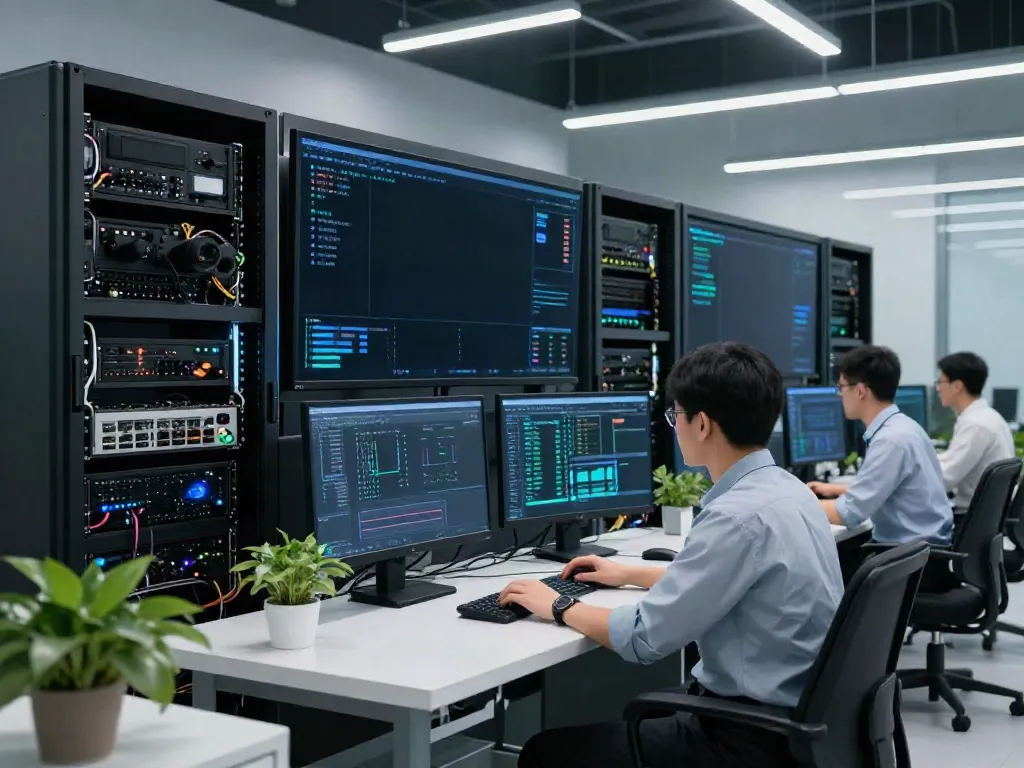
Understanding AI Inference and Its Importance in 2026
As artificial intelligence technology continues to evolve, understanding the concept of AI inference becomes increasingly vital. AI inference refers to the process of utilizing a pre-trained AI model to make predictions or decisions based on new, unseen data. This capability is essential for various applications, from natural language processing to image recognition. In 2026, the significance of AI inference transcends just technological innovation; it is integral to the operational frameworks supporting AI infrastructure, making it a crucial focal point for businesses aiming to leverage AI solutions effectively.
What is AI Inference?
AI inference is the operational phase wherein an AI model applies its learned knowledge to evaluate and interpret incoming data. This stage follows the training phase, where the model learns from a dataset. During inference, the model's parameters and architectures are employed to generate outputs, allowing it to make predictions, classify data, or generate text based on user input. This process is typically resource-intensive, requiring substantial processing power, particularly from Graphics Processing Units (GPUs), which are optimized for parallel processing tasks inherent in AI applications.
The Role of AI Inference in AI Infrastructure
In the context of AI infrastructure, inference is what converts theoretical models into practical applications. Efficient AI infrastructure is characterized by its capacity to handle large volumes of data and perform rapid computations. AI inference acts as the bridge between raw data and actionable insights, thus facilitating decision-making processes in various sectors including healthcare, finance, and logistics. The ability to perform inference accurately and quickly can significantly enhance the responsiveness of AI solutions, allowing businesses to gain a competitive edge in their respective markets.
Key Terms Related to AI Inference
- Model Training: The process of teaching an AI model using a dataset.
- Tokens: Units of data processed during inference; they help in measuring the amount of work done by the AI model.
- Throughput: The rate at which the AI model processes data, crucial for understanding its efficiency.
- Latency: The time taken to produce an inference result following an input, a critical metric for user experience.
- Scalability: The capacity to expand resources efficiently to manage increased workloads in inference tasks.
How AI Inference Works: Core Mechanisms Explained
The mechanics of AI inference revolve around several core processes that leverage computational resources to provide outputs from given inputs. Understanding these processes is crucial for optimizing AI infrastructure and enhancing performance.
The Process of Generating Predictions
Generating predictions begins with input data, which is processed through an AI model. This model utilizes its learned weights and biases, resulting from training, to analyze the data and derive meaningful insights. The output produced can vary widely depending on the nature of the task, including classifications, regression results, or other forms of data interpretation. The entire process is supported by robust computing resources that ensure timely and accurate predictions.
Token-Metered AI Services Explained
Token-metered AI services are pivotal in measuring the usage of AI models. Each request processed by the AI system is broken down into input tokens, which constitute the data sent to the model. The model then produces output tokens, representing the results generated. This tokenization allows both users and providers to gauge the system's usage and performance, facilitating the calculation of costs and rewards in a sustainable manner.
Power Consumption in AI Inference Tasks
Power consumption is a critical consideration in AI inference tasks. The demand for electricity in running GPU-intensive workloads can be substantial, impacting not only operational costs but also the sustainability of AI solutions. Efficient power management strategies are necessary to ensure that inference tasks remain viable, especially as the scale of AI operations grows and more energy-efficient solutions are demanded by both users and regulatory bodies.
Challenges in Implementing AI Inference
While AI inference holds tremendous potential, several challenges accompany its implementation, particularly concerning resource allocation and operational risks. Recognizing these challenges is essential for organizations seeking to enhance their AI capabilities.
Common Misconceptions About AI Inference
A prevalent misconception about AI inference is that it is merely a simple computational task. In reality, inference requires a deep understanding of the model's architecture and the underlying data characteristics. Additionally, many believe that inference is cost-free; however, the computational resources required can lead to significant operational expenses.
Managing Resource Allocation for AI Workloads
Effectively managing resource allocation is critical for optimizing AI inference tasks. This involves balancing the demand for computational power with the available resources while ensuring that power consumption remains efficient. Implementing dynamic resource allocation strategies can lead to improved performance and reduced wastage, ultimately contributing to the bottom line.
Mitigating Risks in AI Infrastructure
Risks associated with AI inference primarily stem from hardware limitations, fluctuations in demand, and energy costs. Organizations must establish contingency plans and invest in monitoring systems to track performance and prevent outages. Regular maintenance and updates to infrastructure components are also essential to mitigate risks effectively.
Strategies for Optimizing AI Inference Operations
Organizations can enhance their AI inference operations by implementing strategic approaches that consider resource management, measurement metrics, and future scalability.
Best Practices for Resource Coordination
Coordination of resources across the AI ecosystem is crucial for maximizing efficiency. This includes leveraging cloud-based solutions that provide flexible scaling options, allowing organizations to meet fluctuating demands without overcommitting resources. Establishing partnerships with power suppliers can also ensure a stable energy supply for compute-intensive tasks.
Measuring Success: Key Performance Indicators
To ascertain the effectiveness of AI inference operations, key performance indicators (KPIs) must be defined and monitored. Metrics such as throughput, latency, power consumption, and user satisfaction can provide insights into operational efficiency and areas for improvement. Data-driven decision-making based on these metrics enables organizations to refine their AI strategies continually.
Future-Proofing Your AI Infrastructure
To ensure longevity and relevance, AI infrastructure must be adaptable to advancements in technology and changes in market needs. Investing in scalable architectures, continuing education for staff, and fostering innovation within teams are vital strategies for future-proofing AI operations.
Emerging Trends in AI Inference for 2026 and Beyond
As the landscape of AI continues to evolve, several emerging trends are poised to shape the future of AI inference.
Innovative Technologies Shaping AI Inference
Technologies such as quantum computing, neuromorphic chips, and advanced machine learning algorithms are set to revolutionize AI inference. These innovations promise to enhance the speed and efficiency of inference processes, enabling real-time applications that were previously unattainable.
Market Predictions for AI Services Growth
The demand for AI services, underpinned by robust inference capabilities, is expected to rise significantly. Market analysts predict substantial growth in sectors integrating AI solutions, particularly in healthcare diagnostics, autonomous vehicles, and personalized marketing. This trend highlights the need for organizations to invest in their AI infrastructure to keep pace with market demands.
The Shift Towards Sustainable Power Solutions
With increasing awareness of environmental issues, there is a notable shift towards sustainable power solutions for AI infrastructure. Companies are exploring renewable energy sources and implementing energy-efficient technologies to power their AI operations sustainably. This transition not only reduces carbon footprints but also aligns with the growing expectations from consumers and regulatory bodies.
What are the main components of AI inference?
The main components of AI inference include the pre-trained model, input data, output predictions, and the processing infrastructure that supports these operations, primarily GPUs and efficient power management systems.
Is GPU or CPU better for AI inference?
While CPUs are versatile for a variety of tasks, GPUs are specifically designed to handle parallel processing, making them significantly more effective for intensive AI inference tasks.
How can I get involved in AI inference?
Individuals or businesses can get involved in AI inference by leveraging platforms like 51 AIpower that facilitate participation in AI infrastructure, allowing access to necessary resources without requiring extensive investments in hardware.
What is the future of AI inference technology?
The future of AI inference technology is likely to be characterized by increased efficiency, integration of AI with IoT devices, and the incorporation of real-time data processing capabilities, which will enhance decision-making processes across industries.
How does power management impact AI inference performance?
Power management plays a crucial role in AI inference performance by ensuring that the processing units have the necessary energy to operate efficiently without interruption while minimizing costs and optimizing resource utilization.