Understanding Bed Bugs: An Overview
What are Bed Bugs?
Bed bugs are small, wingless insects belonging to the Cimicidae family that thrive on the blood of humans and animals. Adults measure around 4 to 5 mm in length and have a flat, oval-shaped body that ranges in color from light brown to reddish-brown. These pests are nocturnal and typically hide in seams, crevices, or other dark areas, making them hard to detect. A recent resurgence in infestations has been observed due to increased travel, changes in pest management practices, and resistance to some pesticides.
Signs of Infestation
Identifying bed bugs early is crucial for effective bed bug removal. Common signs of infestation include:
- Red bite marks: Often in clusters on the skin.
- Small blood stains on sheets or bedding.
- Dark spots of excrement on bedding or walls.
- Sheddings of bedbug skin, indicating growth.
- Musty odor emanating from infested areas.
Health Risks Associated with Bed Bugs
While bed bugs are not known to transmit diseases, their bites can lead to significant discomfort and secondary infections from scratching. Additionally, the psychological effects of dealing with an infestation can manifest as anxiety, insomnia, and emotional distress. Understanding these health implications reinforces the importance of managing and eradicating bed bugs promptly.
Methods for Bed Bug Removal
DIY Techniques for Bed Bug Control
For those who prefer to attempt bed bug removal through DIY methods, several strategies can be effective when conducted meticulously. Here we explore some popular techniques:
- Heat Treatment: Bed bugs are particularly vulnerable to high temperatures. Laundering bedding and clothing in hot water (at least 120°F) and using a clothes dryer can kill bugs and eggs effectively.
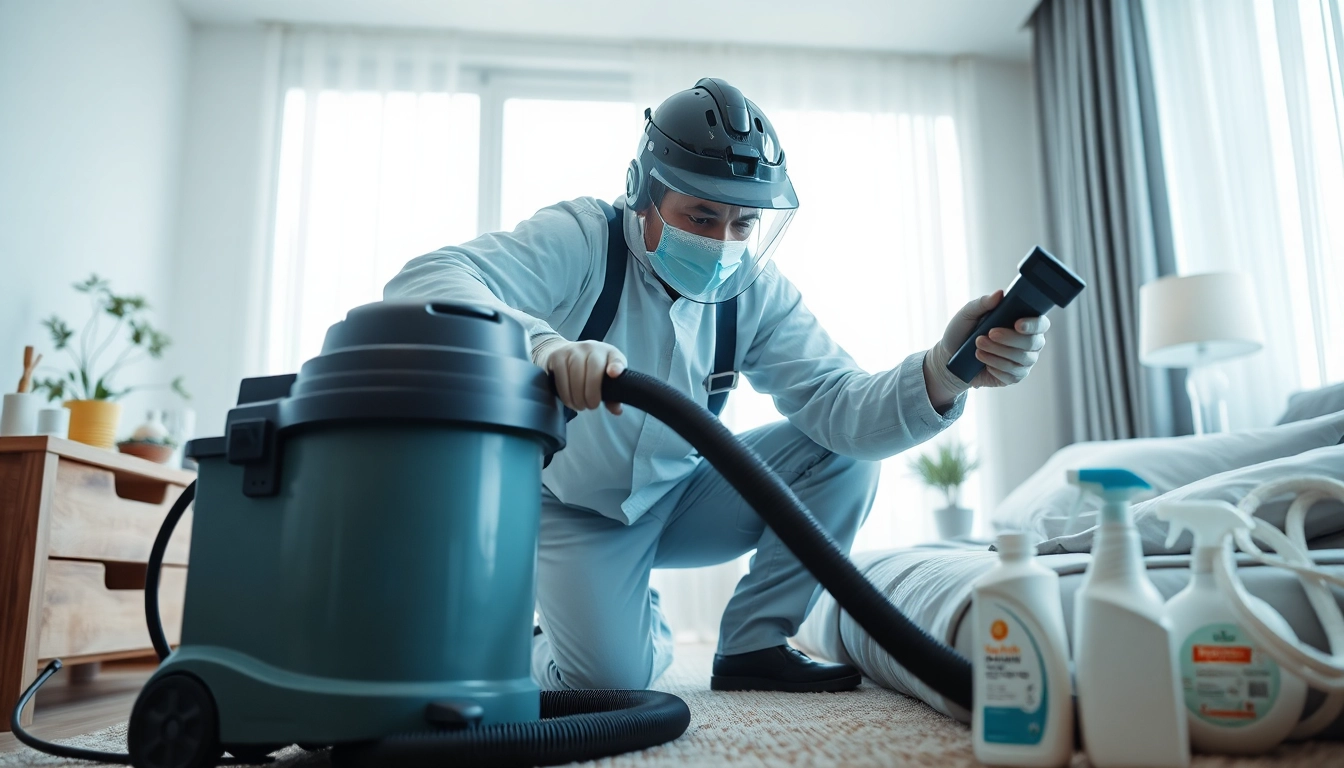
- Vacuuming: Regular vacuuming of infested areas and immediately disposing of the vacuum bag is a helpful initial step in reducing populations.
- Sealing Cracks: Sealing crevices, cracks, and openings around walls, floors, and furniture can limit their hiding spots.
- Homemade Traps: Setting traps with soapy water can attract and drown bed bugs. Place these traps under bed legs or other furniture.
When to Call a Professional
Sometimes, DIY methods may not suffice, especially in cases of severe infestations. It is advisable to seek professional help when:
- The infestation is considerably extensive.
- DIY methods fail to yield results after repeated attempts.
- You experience allergic reactions to bites.
- You require assistance with specialized treatments that may not be DIY-friendly.
Comparing Treatment Options
When considering bed bug removal, various treatment options are available, each with unique advantages and limitations. Common methods include:
- Chemical Treatments: Involving the application of insecticides, these can be highly effective when used correctly. However, it's important to choose pesticides specifically approved for bed bug treatment to avoid resistance issues.
- Heat Treatment: As mentioned earlier, utilizing high temperatures to eradicate bed bugs is one of the most effective methods, often used by professional services.
- Cold Treatment: Exposing bugs to extreme cold (below 0°F) for several days can also kill them. This method is often used on items that cannot tolerate heat.
Cost Factors of Bed Bug Removal
Average Costs for Treatment
The cost of bed bug removal varies widely depending on several factors such as location, the severity of the infestation, and the chosen treatment method. Homeowners might expect to pay anywhere between $300 to $1,500 depending on these variables. Comprehensive treatments often include multiple visits to ensure the infestation is completely eradicated.
Factors that Influence Pricing
Several factors contribute to the overall costs associated with bed bug removal:
- Extent of Infestation: Larger infestations require more time and resources to eliminate.
- Type of Treatment: Chemical, heat, or a combination of treatments may influence the pricing.
- Geographic Location: Prices can vary significantly based on local demand and pest control service costs.
- Property Size: Larger properties may incur higher treatment costs due to increased labor and product use.
Cost-Effective Prevention Strategies
Preventing bed bugs from invading your home is often more cost-effective than removal. Some strategies to implement include:
- Regularly inspect your luggage and belongings for signs of bed bugs when traveling.
- Utilize bed bug-proof mattress encasements to protect your sleeping area.
- Keep clutter to a minimum and regularly vacuum to reduce hiding spots.
- Educate family members on identifying bed bug signs and species.
Best Practices for Preventing Bed Bug Infestations
Personal and Home Hygiene
Maintaining cleanliness is essential for preventing bed bugs. Regular cleaning and vacuuming can significantly reduce the likelihood of an infestation. Additionally, washing bedding and linens frequently helps keep your sleeping environment pest-free. Paying attention to personal hygiene, especially after traveling, is crucial in mitigating the introduction of bed bugs into your home.
Travel Tips for Avoiding Bed Bugs
When traveling, bed bugs can easily hitch a ride in your luggage. To minimize risk, consider these precautions:
- Inspect hotel rooms for signs of bed bugs before settling in.
- Keep luggage off the bed and on a hard surface like a table or luggage rack.
- Use plastic bags to store clothes and personal items during your stay.
Regular Inspections and Monitoring
To prevent bed bug infestations, regularly inspect your living space. Look for signs such as tiny blood stains, shed skins, or dark spots in prominent locations like seams of mattresses or behind baseboards. Using bed bug monitors can help track their presence. Early detection is vital to avoiding larger infestations down the line.
FAQs About Bed Bug Removal
How quickly can bed bug removal be effective?
Bed bug removal effectiveness can vary largely based on the approach taken. Some methods, particularly heat treatment, can yield immediate results, while chemical treatments may require multiple applications over weeks.
What should I do if I see a bed bug?
If you spot a bed bug, act promptly. Isolate infested items, wash fabrics in hot water, and consider vacuuming the affected area to reduce numbers until professional help can be called.
Are bed bugs harmful to health?
Bed bugs are not known to transmit diseases but can cause discomfort through bites, leading to itching and secondary infections. Their presence can also result in considerable psychological distress.
Can bed bugs live without a host?
Bed bugs can survive for several months without a host. Their exceptional resilience enables them to endure periods without feeding, making prevention and vigilance essential.
How can I effectively prevent a bed bug infestation?
To prevent infestations, maintain cleanliness, inspect luggage after travel, utilize bed bug-proof mattress encasements, and educate yourself on early detection techniques. Regular monitoring can significantly reduce risks.