The Joy of Building with Giant Blocks
When it comes to playtime essentials, few things rival the imaginative possibilities presented by giant building blocks. These oversized, versatile tools provide a fantastic opportunity for children to explore their creativity and engineering skills in an engaging way. With open-ended designs and various materials available, families and educators can easily cultivate an environment that promotes discovery and innovation. For parents looking to delve deeper into the world of large building blocks, you may discover more about the advantages these blocks can offer.
Why Kids Love Giant Building Blocks
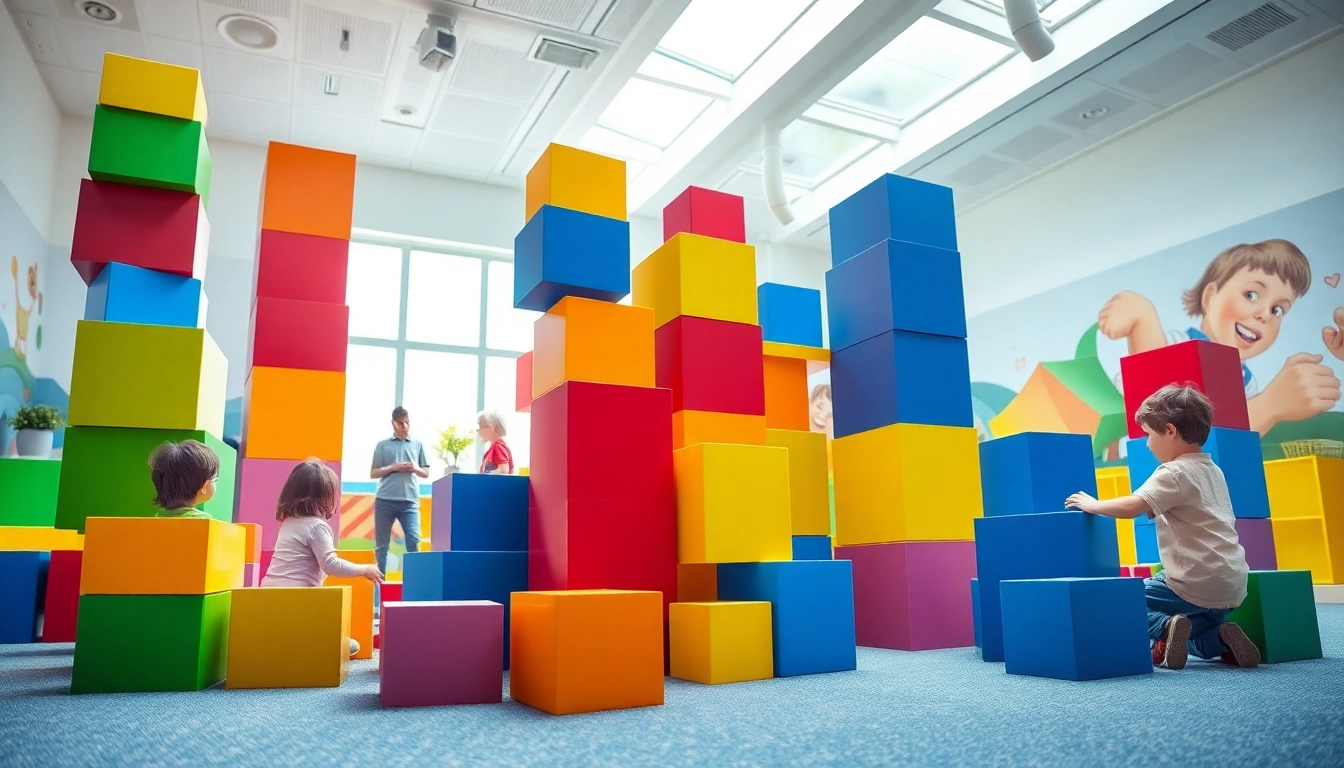
The allure of giant building blocks lies in their ability to ignite a child's imagination. Unlike traditional toys that have predefined uses, giant blocks provide limitless possibilities. Children can construct anything from towering castles to intricate mazes. The tactile experience of stacking, toppling, and rearranging blocks is inherently satisfying, offering a sense of accomplishment with each successful structure. This love for creativity isn't just about building; it’s a profound way through which kids express their personal narratives, emotions, and ideas.
Benefits of Large Building Blocks
Large building blocks are not just a source of fun; they offer a plethora of developmental benefits. By engaging in building activities, children enhance their fine motor skills, hand-eye coordination, and spatial awareness. The process of stacking and arranging blocks promotes problem-solving and critical thinking as young builders must consider weight distribution and balance. Furthermore, these blocks encourage social interaction when children collaborate on projects, teaching teamwork and communication. In a world of digital distractions, giant blocks offer a physical and interactive way for kids to play.
Creating a Learning Environment
To maximize the benefits of giant building blocks, creating a conducive learning environment is crucial. Consider incorporating blocks into both indoor and outdoor play spaces, ensuring accessibility and safety. By establishing distinct zones for different activities, children can transition from free play to structured learning experiences effortlessly. Teaching activity themes—like architectural styles or physics principles—can further enrich their engagement while playing with these blocks.
Essential Types of Giant Building Blocks
Plastic vs. Foam: Which is Better?
One of the first considerations when selecting giant building blocks is the material. Plastic blocks are known for their durability and sturdiness. They can withstand the rigors of active play and are often weather-resistant, making them suitable for outdoor use. On the other hand, foam blocks provide a softer alternative, which is particularly beneficial for younger children who may be prone to injuries. Choosing between plastic and foam ultimately depends on the age of the child, the intended use, and the safety considerations of the play environment.
Innovative Block Designs to Consider
Today's market offers an array of innovative block designs that can enhance the building experience. Modular blocks allow for easy integration and varying structural designs, enabling children to experiment with different building techniques. Additionally, blocks with unique shapes—like arches, wheels, and slopes—can introduce more complex architectural concepts, encouraging creative storytelling and imaginative play. There are also interactive blocks featuring sound or light to engage children further, providing multisensory learning opportunities.
Colors and Sizes: What Works Best?
The choice of colors and sizes significantly influences children’s play patterns and learning experiences. Brightly colored blocks can stimulate visual senses and foster creativity, while neutral tones can encourage children to highlight their imaginative ideas. Size-wise, blocks should be large enough to pose a challenge but not so large that they become unwieldy. Consider a range of sizes to facilitate different building techniques and projects, making sure they are safe for all users.
Setting Up the Ultimate Play Space
Choosing the Right Location
When setting up a play area for giant building blocks, choosing the right location is vital. Ideally, the space should be large enough to allow for free movement and creative expression. Whether indoors or outdoors, consider a flat, stable surface where children can build without interruptions. Outdoor spaces can offer fresh air and natural inspiration, while indoor settings allow for year-round play regardless of the weather.
Safety Tips for Indoor Play Areas
Safety is paramount when creating play environments for children. Ensure the area is free of sharp objects, tripping hazards, and other dangerous items. For indoor play, place soft mats or carpets on the floor to cushion falls and provide a safe landing surface. Additionally, supervise young children during playtime to prevent accidents and promote safe building practices, instilling a sense of responsibility as they engage with the blocks.
Accessorizing Your Building Zone
To enrich the play experience, consider accessorizing the building zone with tools and materials that spark creativity. Items like toy figures, vehicles, or even natural elements such as sticks and stones can provide inspiration and expand play scenarios. Additionally, incorporating storage solutions like bins or shelves for organized block storage can encourage children to take responsibility for their space, fostering a culture of tidiness and respect.
Creative Ideas for Playtime Activities
Building Challenges for Kids
Transforming play into structured challenges can enhance the educational value of building block sessions. Organize themed competitions where children can work individually or in teams to construct specific structures, like a bridge that can hold weight or the tallest tower. These challenges not only encourage healthy competition but also develop crucial problem-solving skills as children strategize and develop their designs.
Storytelling through Structure
Giant building blocks can serve as a narrative tool, bridging the gap between storytelling and structural creativity. Craft sessions that entwine storytelling with building; for instance, after reading a story, children can recreate scenes or characters with blocks. This fusion fosters a deeper understanding of narrative structure while enhancing fine motor skills and reinforcing memory through repeat engagements with the same materials.
Team Projects: Fun and Collaboration
Encouraging teamwork in building projects can lead to delightful outcomes while fostering social skills. Group activities such as creating a city together or designing a shared playground can instigate collaboration, prompting children to share ideas and negotiate solutions. Beyond just building, this kind of play nurtures communication skills and can teach valuable lessons about working together toward common goals.
Maintaining and Storing Your Building Blocks
Cleaning Tips for Busy Parents
Maintaining the hygiene and longevity of your building blocks is crucial, especially if they are used frequently. For foam blocks, a gentle wipe with a damp cloth and mild soap can do the trick. Plastic blocks are often dishwasher-safe, which makes cleaning effortless for busy parents. Creating a regular cleaning schedule can ensure that the blocks remain in optimal condition for years of imaginative play.
Efficient Storage Solutions
Storing large building blocks can be a challenge, especially when space is limited. Utilize vertical storage options, like shelving units or wall-mounted bins, to maximize floor space. Clear bins allow for easy access and visibility, encouraging children to participate in organizing their play area. Teaching kids to clean up after playtime and find their blocks helps cultivate a sense of responsibility.
Preserving Longevity of Your Blocks
To prolong the life of giant building blocks, it’s essential to use them appropriately and care for them regularly. Avoid exposing foam blocks to direct sunlight for prolonged periods, as this can degrade the material. For plastic blocks, be mindful of heavy impacts or dropping them on hard surfaces; although they are durable, consistent rough handling can cause damage. Storing all blocks in a climate-controlled environment can further extend their lifespan.
FAQs
What age group is suitable for giant building blocks?
Giant building blocks are generally suitable for children aged 1 and up. Ensure that the size and materials are age-appropriate to prevent choking hazards.
Can giant blocks be used outdoors?
Yes, many giant building blocks are designed for outdoor use. Ensure they are durable and weather-resistant for safe outdoor play.
What materials are giant building blocks made from?
Giant building blocks can be made from various materials, including plastic and foam. Each offers unique benefits and safety features depending on the child's age.
How can I encourage teamwork using building blocks?
Set up group challenges or projects that require collaboration. Encourage children to discuss their ideas and build together, fostering communication and teamwork.
How do I clean building blocks?
Foam blocks can be wiped with a damp cloth, while plastic blocks are often dishwasher-safe. Regular cleaning helps maintain hygiene and appearance.