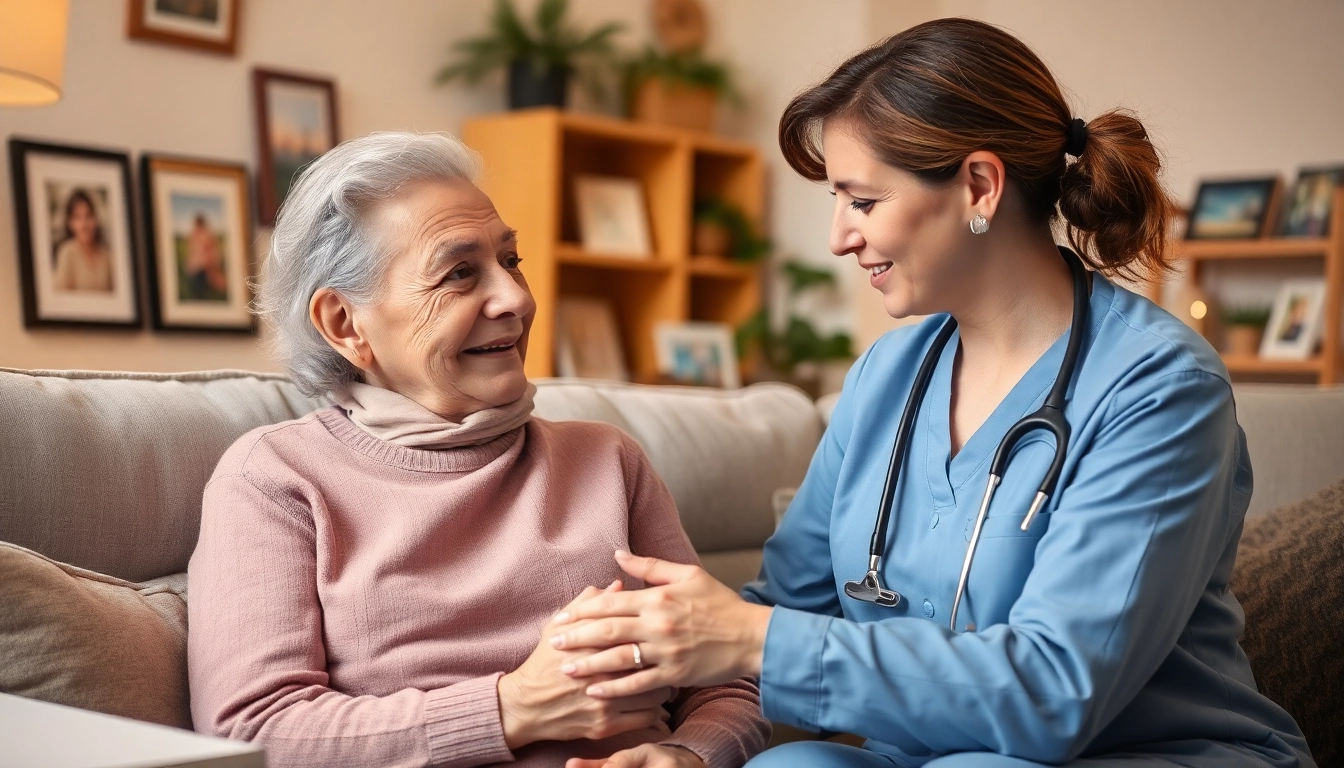
Understanding Senior Loneliness
Defining Senior Loneliness
Senior loneliness is a state of emotional distress characterized by a feeling of disconnection and isolation, often stemming from the loss of loved ones, changing social dynamics, or declining physical health. This phenomenon is not just a temporary emotional response; it can become chronic, leading to significant implications for both mental and physical well-being. Recognizing and addressing senior loneliness is crucial, especially as the demographics of our population shift towards an older average age.
Causes of Senior Loneliness
The causes of senior loneliness are multifaceted. One primary factor is the loss of peers and family members, which can create an emotional vacuum. Many seniors may find that their social circles become smaller due to retirement, the death of a spouse, or limitations in mobility that make it difficult to engage with others. Furthermore, the fear of declining health can lead to self-imposed isolation as seniors worry about being a burden to their loved ones. Mental health concerns such as depression and anxiety can also exacerbate feelings of loneliness, creating a vicious cycle that is hard to escape.
The Impact of Loneliness on Seniors
The repercussions of loneliness are profound. Research indicates that seniors experiencing loneliness are at a higher risk for various health problems, including cardiovascular issues and cognitive decline. Isolation can also exacerbate mental health challenges, leading to conditions like depression. Importantly, the emotional toll of loneliness can diminish life satisfaction, affecting overall quality of life. This creates a pressing need for effective interventions, particularly through senior loneliness home care.
Home Care Solutions for Senior Loneliness
Types of Home Care Services
Home care services vary widely, encompassing everything from companion care to medical support. Companion services focus specifically on social engagement, where caregivers provide companionship through conversation, shared activities, and outings. More comprehensive home care can also include assistance with daily living activities, enabling seniors to maintain some level of independence while receiving the support they need. Services like meal preparation, medication management, and personal care can help seniors feel more connected and less isolated.
Personalized Interaction Strategies
Personalizing interaction strategies for seniors in home care is paramount. This can involve understanding the unique interests, backgrounds, and personalities of each individual. Caregivers can engage seniors by tailoring activities to their preferences—be it gardening, reading, playing games, or simply enjoying a cup of tea together. Additionally, utilizing technology solutions, such as video calls with family or participation in virtual classes, can create meaningful connections that alleviate feelings of loneliness.
Community Engagement Initiatives
Community engagement initiatives are critical for combating senior loneliness. Home care providers can facilitate seniors’ participation in local events, access to senior centers, and social clubs specifically created for older adults. These opportunities for socialization not only promote friendship but also enhance cognitive engagement and physical activity. Programs like art classes, exercise groups, or shared meals can foster a sense of community and belonging, helping to counteract loneliness.
Benefits of Home Care in Alleviating Loneliness
Improved Emotional Health
The emotional health benefits of home care are significant. Regular interaction with caregivers provides structure to seniors’ days, preventing feelings of aimlessness that often accompany loneliness. Engaging conversations and companionship can uplift moods, reduce anxiety, and improve overall emotional well-being. Additionally, caregivers can assist in recognizing signs of mental distress, facilitating timely intervention if required.
Physical and Social Activity
Home care not only addresses emotional needs but also encourages physical activity, essential for both mental and physical health. Caregivers can promote light exercise routines, accompany seniors on walks, or help them engage in hobbies that require movement. Socially, caregivers can organize group outings or visits, which contribute to a more active lifestyle and can significantly improve mental clarity and health outcomes.
Family Involvement and Support
Involving family members in the care process is another critical aspect of alleviating loneliness in seniors. Caregivers can facilitate regular family visits or virtual check-ins, creating an atmosphere of love and support. Encouraging family members to participate in caregiving tasks or social activities can strengthen bonds, helping seniors to feel valued and less alone. This supportive network is instrumental in combating feelings of isolation.
Implementing Comprehensive Home Care Plans
Assessing Individual Needs
Creating a comprehensive home care plan begins with a thorough assessment of an individual’s needs. Understanding the emotional, physical, and social requirements of the senior is crucial for effective care. This may involve personal interviews, evaluations by healthcare professionals, and input from family members. The goal is to tailor a plan that fosters socialization while ensuring safety and well-being at home.
Effective Communication Techniques
Effective communication is vital in home care. Caregivers must be trained to understand non-verbal cues, listen actively, and engage in meaningful conversations. Using empathy can help seniors feel understood and valued. Regular feedback loops between caregivers, seniors, and families can ensure that care plans remain relevant and responsive to changing needs and preferences.
Monitoring and Adjusting Care Plans
Home care is dynamic, requiring ongoing monitoring and adjustments to care plans as needs change. Regular check-ins, assessments, and open lines of communication with all parties involved help caregivers adapt to seniors' evolving social and emotional needs. This approach ensures that the support provided remains effective in combating loneliness.
Frequently Asked Questions
What are the signs of loneliness in seniors?
Signs of loneliness in seniors can include withdrawal from activities, changes in mood or behavior, a decline in personal hygiene, and losing interest in social engagements.
How can home care prevent senior loneliness?
Home care can prevent senior loneliness by providing companionship, facilitating social activities, and encouraging seniors to engage more with their surroundings and loved ones.
Are there community resources for lonely seniors?
Yes, many communities offer resources like senior centers, support groups, and events specifically designed to foster connection and reduce isolation among seniors.
How is personalized care tailored for lonely seniors?
Personalized care for lonely seniors is based on understanding individual preferences, creating care plans that prioritize their emotional needs, interests, and social connections.
What is the role of family in reducing senior loneliness?
Family plays a crucial role in reducing senior loneliness by maintaining regular contact, participating in shared activities, and reinforcing emotional support through consistent engagement.